
5 hr
Damascus Knife Crafting Workshop in Historic Seki
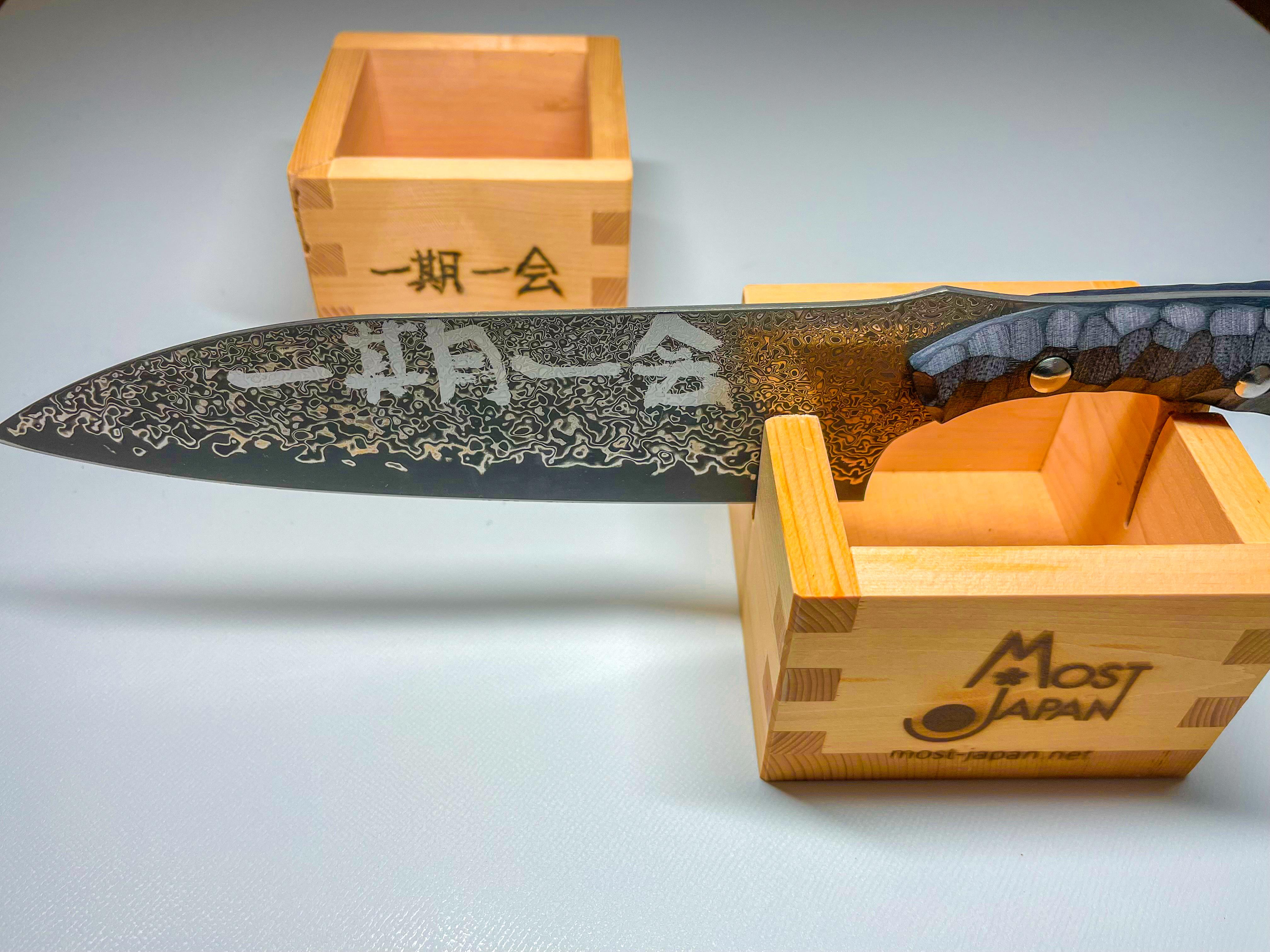
Create your own Japanese kitchen blade with etching and sharpening under expert guidance at G.SAKAI
Reserve
Hand-picked by our editors — only the best 5 experiences from 40 reviewed.
Verified partners for every tour, free cancellation where available, and instant confirmation on every booking.
5 hr
Create your own Japanese kitchen blade with etching and sharpening under expert guidance at G.SAKAI
Reserve
4 hr
Create your own blade using traditional samurai sword steel under the guidance of a prize-winning craftsman
Reserve
40 min
Discover seven centuries of Japanese blade-making tradition with hands-on access to working craftsmen
ReservePrices from verified partners. Availability updates in real time at checkout. Free cancellation policies apply where shown.
The landmarks, rooms, and views travelers on this tour remember — all visible on a single visit.
Displays centuries-old katana and blades demonstrating the history of Seki craftsmanship.
The seki samurai knife making experience offers deep technical immersion, whereas museum demonstrations are superior for those prioritizing historical observation over active participation. Most visitors who desire a hands-on connection to traditional steel forging select the former for its comprehensive training.
| Feature | Top pick Crafting Workshop | Museum Demonstration |
|---|---|---|
Time Commitment |
4–5 hours | 1.5 hours |
Physical Effort |
Moderate exertion required | None (observational) |
Skill Level |
Beginner to intermediate | No experience needed |
Final Product Outcome |
Personalized forged blade | None (viewing only) |
Focus Area |
Metalwork and edge geometry | Japanese swordsmithing heritage |
| See tickets → |
Verdict: Choose the seki samurai knife making experience tour if you want to create a legacy piece, or opt for museum seki samurai knife making experience tickets if your schedule is limited.
Choose your ticket, select your date, and reserve in under two minutes. Secure checkout handled by our verified partner.
Instant confirmation by email, with a mobile voucher you can save offline. No printing, no queuing at a collection desk.
Arrive at the entrance, show your voucher on your phone, and walk in. Most tickets include priority or skip-the-line access.
Practical details for your visit straight from our verified partners — hours, access, rules, and how to get there.
9-1 Minamikasuga-cho, Seki City, Gifu, Japan
Main lobby entrance
Take the Nagaragawa Railway to Hamono Kaikanmae Station.
Casual clothing is appropriate for your seki samurai knife making experience. We recommend wearing closed-toe shoes to ensure safety during hands-on activities.
Large luggage should be stored in lockers before your seki samurai knife making experience begins. Personal bags may be carried, but be mindful of narrow exhibit corridors.
Photography is permitted in the public areas and museum exhibitions during your seki samurai knife making experience. Please refrain from using flash inside the smithy to avoid distracting the artisans.
The museum building is designed to accommodate visitors with accessibility needs, offering smooth paths through the main galleries. Please contact staff upon arrival if you require special assistance for your seki samurai knife making experience.
Families are welcome, though children should be supervised closely around tools and exhibits. The seki samurai knife making experience provides a unique educational opportunity for older children interested in craftsmanship.
Food and beverages are not permitted inside the museum exhibit halls. You may find local dining options in Seki City within walking distance of the seki samurai knife making experience.
9-1 Minamikasuga-cho, Seki City, Gifu, Japan
Main lobby entrance
Get directionsBest time to go, insider tips, nearby landmarks, and the cancellation fine print — flip through to skim what matters to you.
How crowds, weather, and events shift across the year.
Mild temperatures make the 5-minute walk from the station pleasant.
August offers vibrant energy; ensure you are hydrated for the seki samurai knife making experience tour.
October features the local Cutlery Festival with extra demonstrations.
January 2nd showcases the traditional Uchizome-shiki ceremony.
Small details that turn a good visit into a great one.
Arrive near 09:00 to maximize your time before the 16:30 closing.
Check the official site to sync your visit with a live forging demonstration.
Wear comfortable shoes for the walk from Hamono Kaikanmae Station.
Explore the adjacent shops to see modern applications of samurai techniques.
Capture the artisan's technique from the designated viewing platform.
Non-bookable sights within a short walk — free to visit, easy to pair.
A massive retail facility showcasing over 2,000 local blade products for purchase.
Flexible, no hidden fees.
Full refunds are typically provided for cancellations made at least 24 hours prior to the scheduled experience. Please refer to the specific terms provided during your booking for the 300 JPY entrance fee and associated activities.
Hand-picked options within walking distance — pick a district for vibe, or a specific hotel for convenience.
Various local inns located near the city center and transport hubs.
Seki has been forging blades for roughly seven centuries, and the reason is geological rather than romantic: the confluence of the Nagara and Tsubo rivers, clay suited to forge construction, charcoal from surrounding pine, and iron sand carried down from the mountains. Smiths from Yamato arrived in the Kamakura period and stayed. By the fifteenth century some three hundred swordsmiths worked here, and Seki blades earned a reputation summarised in four words still quoted locally — they did not break, did not bend, and cut well. The craft survived the 1876 sword ban by turning domestic. Swordsmiths became makers of kitchen knives, scissors, razors and pocket blades, and Seki grew into Japan's cutlery capital alongside Solingen and Sheffield. That continuity is what a seki samurai knife making experience actually trades on: the same forge-welding, quenching and sharpening sequence, applied now to a santoku rather than a katana. Roughly half of Japan's household knives still originate in this small Gifu city. The Seki Traditional Swordsmith Museum at 9-1 Minamikasuga-cho anchors the story. Admission is 300 JPY, and the collection sets out the full arc — tamahagane smelted from iron sand, the folded-steel billet, the clay coating that produces the hamon temper line, and the polishing stones that follow. Live sword forging demonstrations are held in the adjoining forge, where four men strike in rhythm against a single anvil and the steel is worked at heat visible in a darkened room. The museum opens 09:00–16:30 daily except Tuesday, when it is closed. Damascus billets — the layered nickel-and-steel patterns central to most seki samurai knife making experience workshops — are a modern industrial expression of the same folding logic, etched to reveal grain that reads like water. Local ateliers and the Mitsuboshi cutlery factory demonstrate both ends of the spectrum: hand-hammered tamahagane at one extreme, precision grinding lines at the other. The city keeps its calendar around the craft. The Seki Cutlery Festival each October fills the main street with blade stalls, and the Hamono Kaikan sells the output of dozens of workshops year-round. Seki blade heritage is not preserved behind glass here so much as continuously practised, which is why seki samurai knife making experience tours tend to end with something functional in the visitor's hands rather than a souvenir.
"Seki blades did not break, did not bend, and cut well — a reputation four words long and seven centuries old."
A step-by-step walkthrough of the visit — what you'll see, how long each stage takes, and the details that matter.
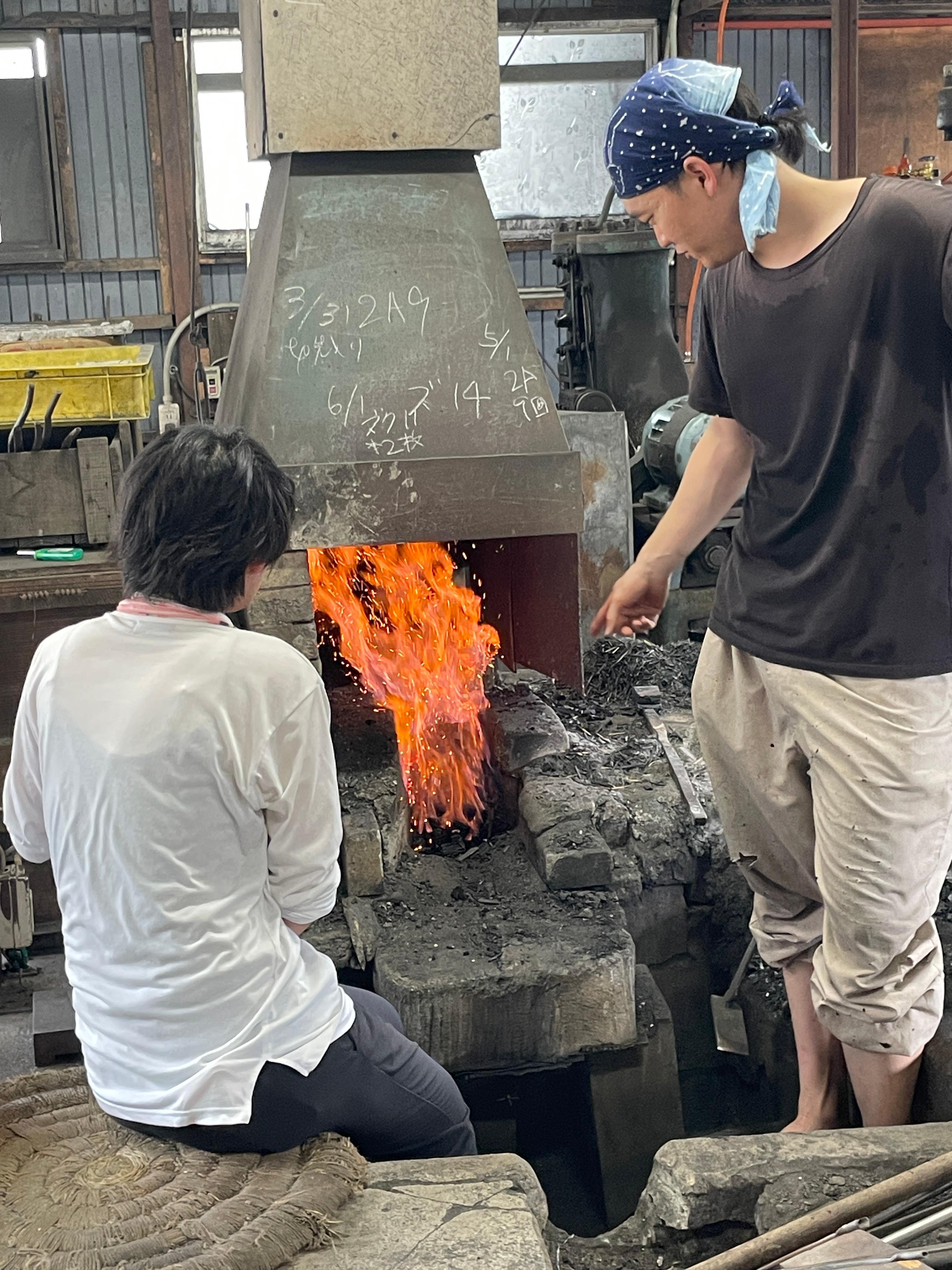
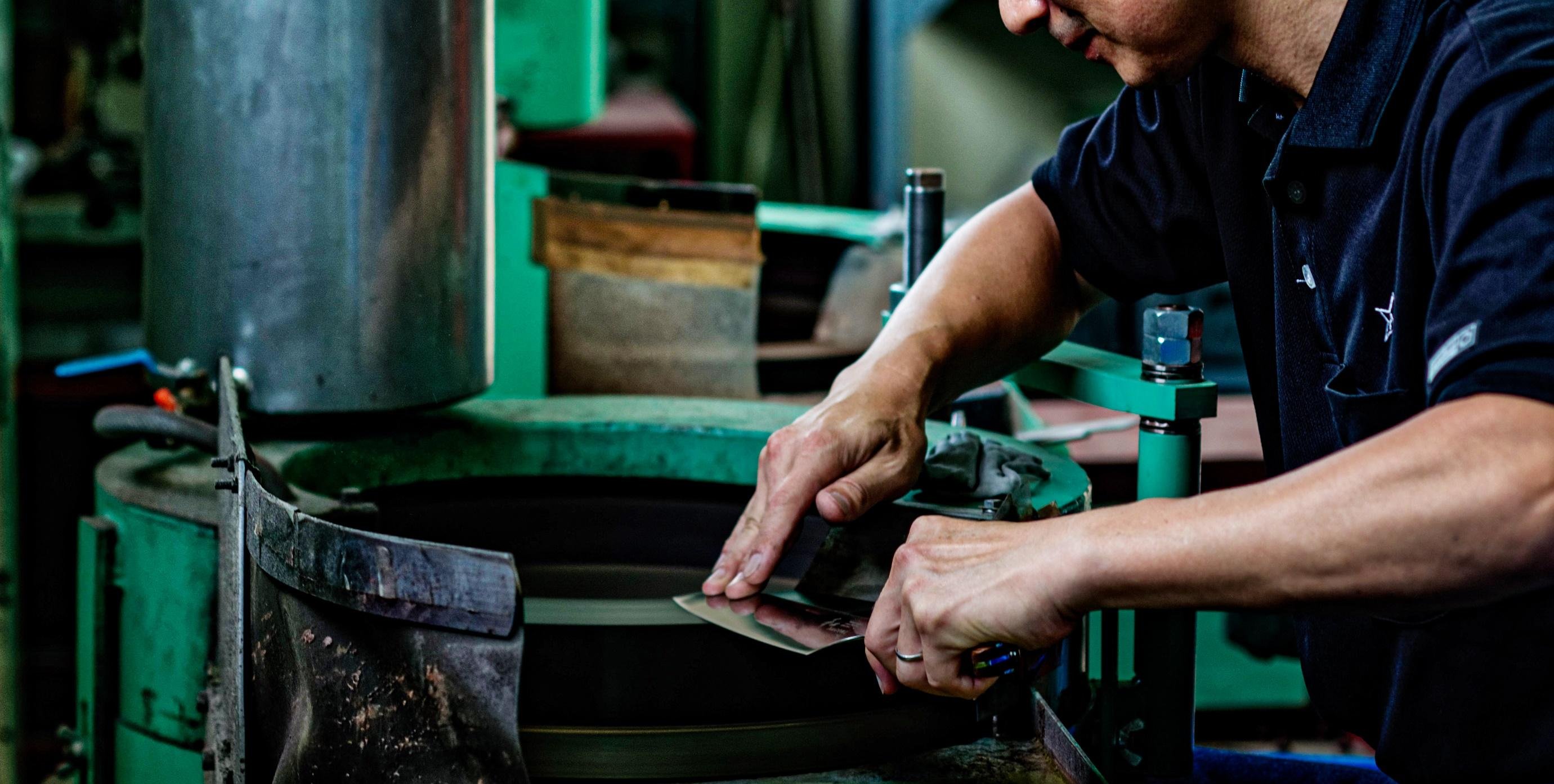
You arrive in Seki by train from Gifu or by road from Nagoya, and the workshop day begins the moment you tie on the apron. A smith hands you a Damascus billet — dozens of layers already forge-welded — and shows you where the pattern hides beneath the scale. You heat the steel until it glows orange, then move to the anvil. The hammer is heavier than expected. You strike, the smith corrects your angle, and over perhaps forty blows the billet lengthens into something recognisably blade-shaped. Water hisses at the quench. Then comes the slower half: grinding on a belt, then a whetstone, watching the etched grain surface as the acid bath does its work. On the tamahagane sessions you work steel smelted from iron sand rather than modern stock, and the difference in how it moves under the hammer is immediate. After the forge, you cross town to the swordsmith museum at 9-1 Minamikasuga-cho. Pay the 300 JPY admission, arrive between 09:00 and 16:00, and you have time for both the exhibits and a forging demonstration. The factory-tour option instead takes you onto the Mitsuboshi floor, where the same edge geometry is produced at industrial scale. You leave with a finished knife, boxed and legal to carry home. A seki samurai knife making experience tour ends the way the craft does — with an edge that cuts. Compare the Damascus and tamahagane seki samurai knife making experience tickets before choosing.
The museum is open from 09:00 to 16:30 daily, except Tuesdays.
No, the Seki Traditional Swordsmith Museum is closed every Tuesday.
Adult admission is 300 JPY for the museum.
We recommend arriving between 09:00 and 16:00 to ensure enough time for exhibits and demonstrations.
While generally family-friendly, check the specific age requirements for hands-on segments of your seki samurai knife making experience.
Yes, photography is allowed in most areas, but please be respectful of the artisans during your seki samurai knife making experience.
Yes, the museum is wheelchair accessible.
The facility is a 5-minute walk from the Nagaragawa Railway Hamono Kaikanmae Station.
While food is not served inside the museum, local eateries are located nearby in Seki City.