5 hr 30 min
Damascus Knife Crafting Workshop in Seki
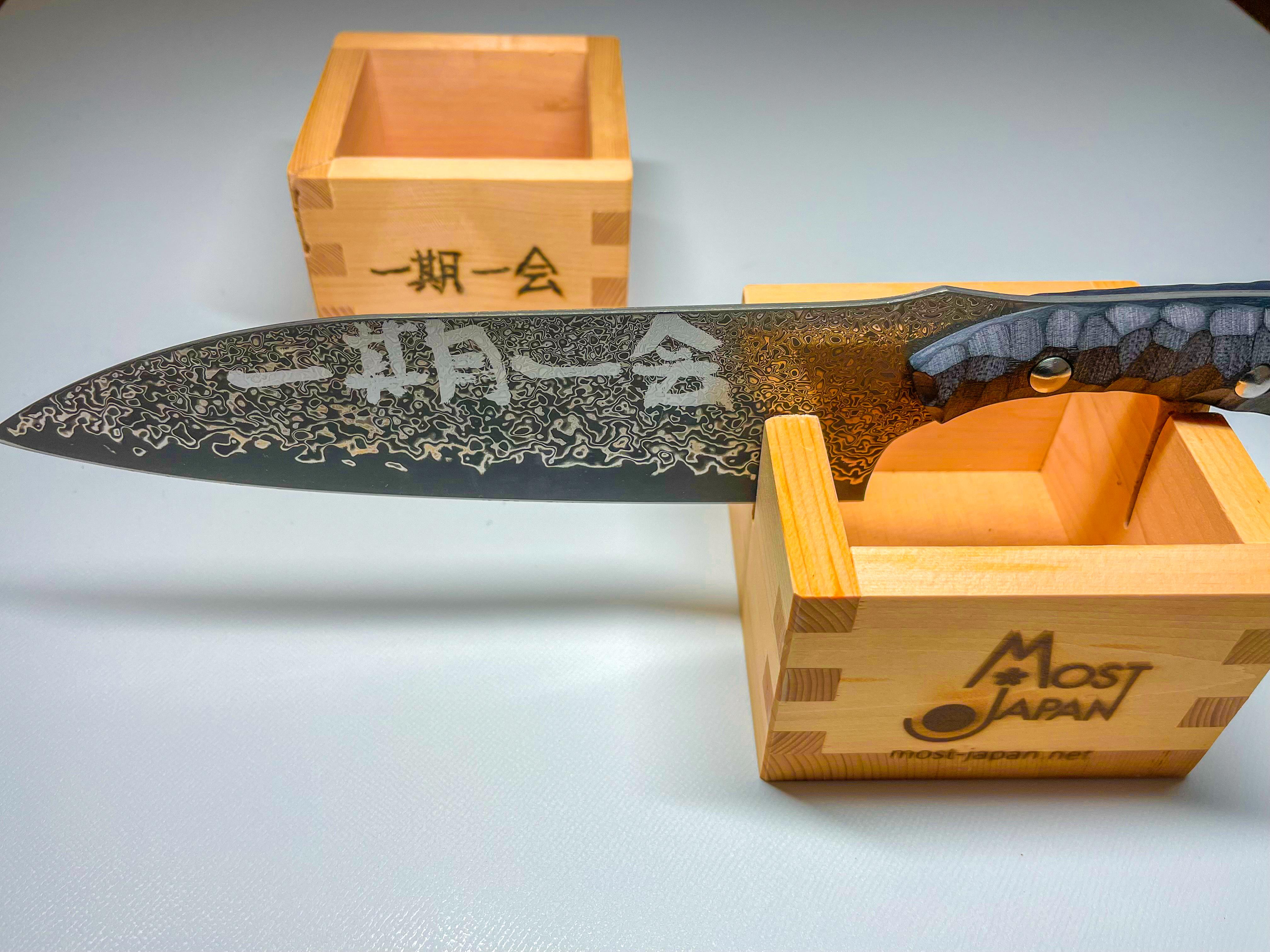
Craft your own engraved Damascus blade under expert guidance and take home a functional kitchen knife
Reserve
Hand-picked by our editors — only the best 5 experiences from 48 reviewed.
Verified partners for every tour, free cancellation where available, and instant confirmation on every booking.
5 hr 30 min
Craft your own engraved Damascus blade under expert guidance and take home a functional kitchen knife
Reserve
40 min
Explore seven centuries of Japanese blade-making tradition with hands-on access to every production stage
Reserve
2 hr 30 min
Trace centuries of Japanese blade craftsmanship through museums, forging traditions, and hands-on guidance
ReservePrices from verified partners. Availability updates in real time at checkout. Free cancellation policies apply where shown.
The landmarks, rooms, and views travelers on this tour remember — all visible on a single visit.
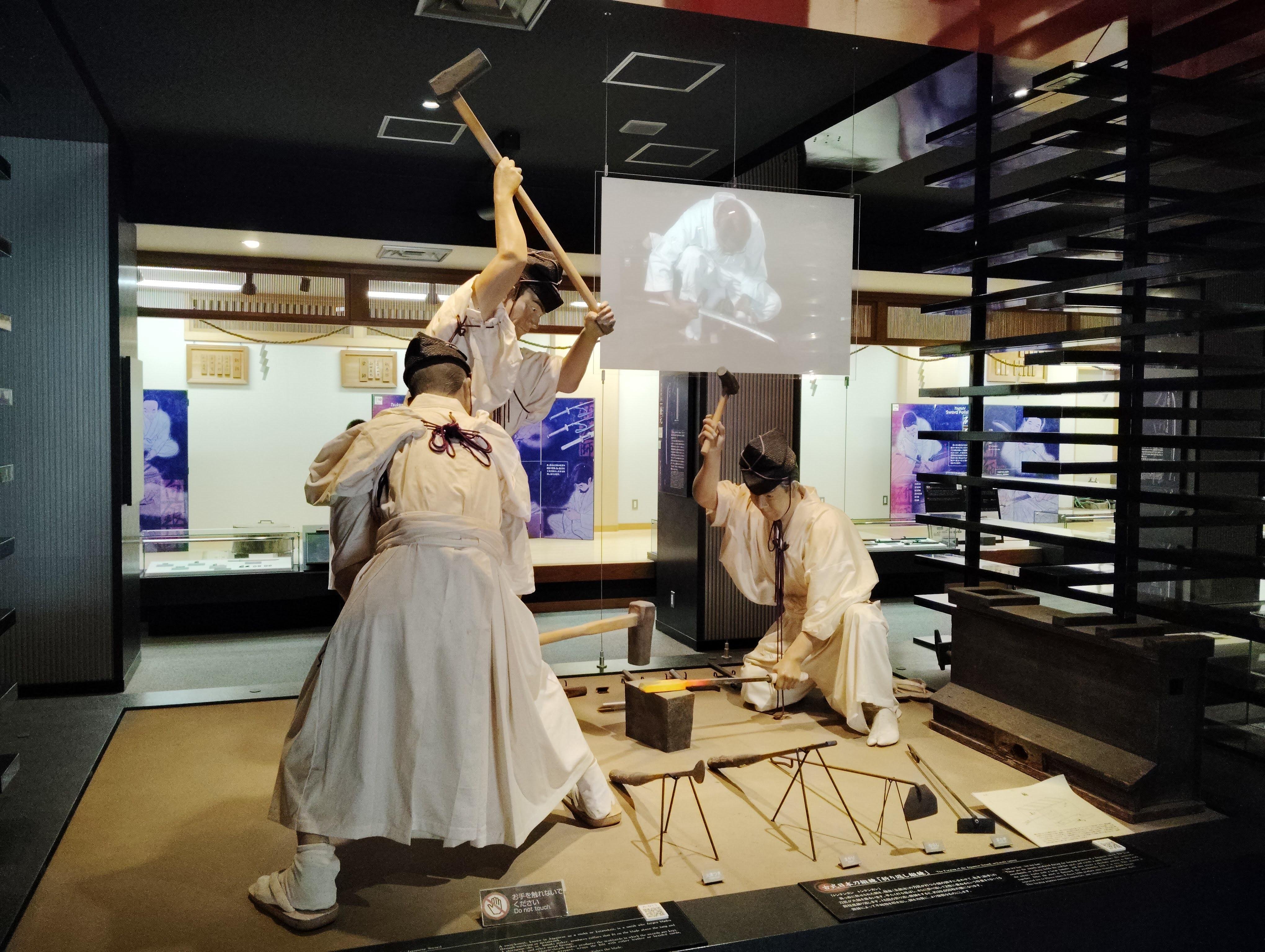
See original equipment used for crafting blades in a historic setting.
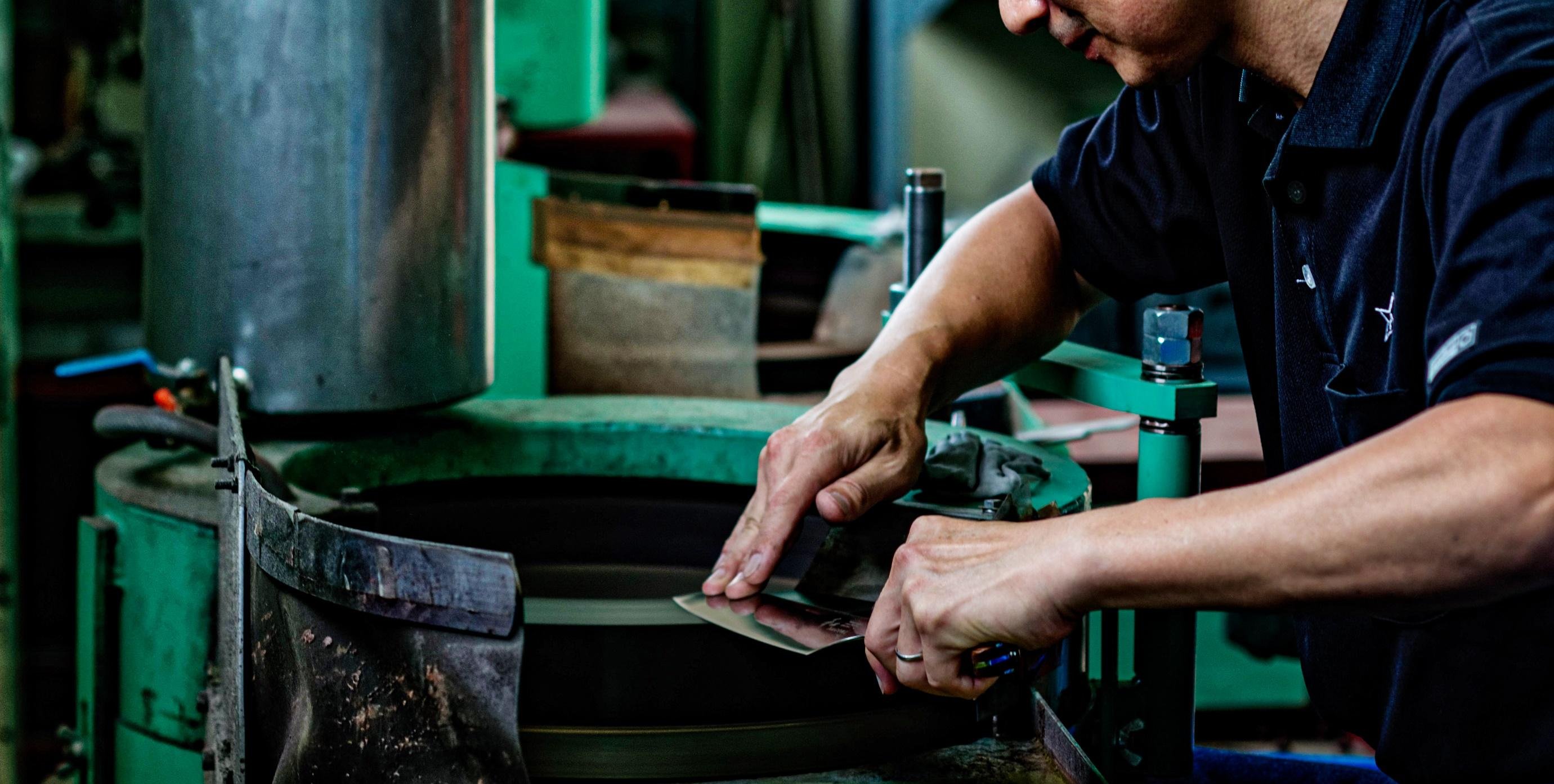
Observe the precise techniques involved in a japanese knife making workshop session.
View centuries of blade evolution in this curated exhibit space.
Examine the heavy-duty tools that have defined Seki's industrial legacy.
Learn about the metallurgy behind every japanese knife making workshop.
The workshop offers a hands-on technical immersion into craftsmanship, whereas the museum provides a broader historical overview of Seki blade traditions; choosing depends on whether you seek active creation or passive learning. Most visitors interested in japanese knife making workshop tours find the museum provides necessary context for their forging practice.
| Feature | Top pick Knife Making Workshop | Seki Sword Smith Museum |
|---|---|---|
Experience Type |
Active crafting | Historical exhibition |
Physical Exertion |
Moderate manual labor | Low - walking only |
Time Commitment |
3–5 hours | 1–2 hours |
Educational Focus |
Technical metallurgy | Cultural heritage |
Skill Development |
Hammering and grinding | Observation only |
Primary Outcome |
Custom forged knife | Contextual knowledge |
| See tickets → |
Verdict: For those seeking deep involvement with the local metalwork heritage, combining a japanese knife making workshop tour with a museum visit ensures a comprehensive understanding of Gifu craftsmanship.
Choose your ticket, select your date, and reserve in under two minutes. Secure checkout handled by our verified partner.
Instant confirmation by email, with a mobile voucher you can save offline. No printing, no queuing at a collection desk.
Arrive at the entrance, show your voucher on your phone, and walk in. Most tickets include priority or skip-the-line access.
Practical details for your visit straight from our verified partners — hours, access, rules, and how to get there.
9-1 Minamikasuga-cho, Seki, Gifu 501-3878, Japan
Main entrance reception desk
Take the Nagaragawa Railway to Seki Station, followed by a short bus or taxi ride.
Parking is available on-site at the museum for visitors driving to the japanese knife making workshop.
Casual and comfortable attire is recommended for this japanese knife making workshop. Wear closed-toe shoes to ensure safety near metalworking displays.
Lockers are available for personal items. Large luggage should be left at your accommodation as space is limited during your japanese knife making workshop.
Photography is permitted in most areas, though specific restrictions apply near sensitive sword exhibits. Always check for signage before capturing a japanese knife making workshop session.
The Seki Traditional Sword Smith Museum is designed with barrier-free access. Most areas of the japanese knife making workshop are navigable for visitors using mobility aids.
Phones may be used for photos but should be kept on silent mode. Disruptive use is discouraged during the japanese knife making workshop demonstrations.
Families are welcome to observe the craft. While children must be supervised at all times, a japanese knife making workshop provides an educational glimpse into local history.
Eating and drinking are strictly prohibited inside the museum galleries. Plan to dine in nearby Gifu or Seki city center before or after your japanese knife making workshop.
Pets are not allowed inside the facility. Only certified service animals assisting visitors with disabilities are permitted.
The facility maintains a quiet atmosphere to respect the artisans. A japanese knife making workshop requires close attention to instructions provided by the staff.
9-1 Minamikasuga-cho, Seki, Gifu 501-3878, Japan
Main entrance reception desk
Get directionsBest time to go, insider tips, nearby landmarks, and the cancellation fine print — flip through to skim what matters to you.
How crowds, weather, and events shift across the year.
Mild temperatures allow for comfortable exploration of local outdoor sites.
August brings warm weather; visit early to enjoy the indoor japanese knife making workshop.
Cooler air makes walking between downtown Seki landmarks enjoyable.
Crowds are lightest, offering a serene experience in the museums.
Small details that turn a good visit into a great one.
Reserve your japanese knife making workshop tickets well in advance during peak season.
Carry water while navigating the area in the August heat.
Pay attention to staff instructions during the japanese knife making workshop.
Confirm the current day's live demonstration times upon arrival.
Non-bookable sights within a short walk — free to visit, easy to pair.
Explore the history of blade production in this region.
Historic street featuring traditional architecture and shops.
Local spiritual site with peaceful grounds.
Flexible, no hidden fees.
Full refunds are available for cancellations made within the specified provider window. Please check your confirmation email for exact terms regarding the 300 JPY entrance fee component.
Hand-picked options within walking distance — pick a district for vibe, or a specific hotel for convenience.
Functional lodging located near local transport.
Traditional Japanese-style stay with local hospitality.
Major hub with extensive hotel options.
Seki once held more than three hundred swordsmiths within a single river valley. The town's advantage was geological, not sentimental. Clay for forge linings, charcoal from the surrounding pine hills, and the clean water of the Nagara and Tsubo rivers gave smiths everything a forge demands. Smiths began arriving in the Kamakura period. By the Muromachi era, Seki blades were sold across the archipelago under a plain reputation: they did not bend, they did not break, and they cut well. The name most often repeated is Motoshige, who settled here in the early fourteenth century and whose lineage shaped the Mino tradition. Mino became one of the Gokaden, the five great schools of Japanese swordmaking, alongside Yamashiro, Yamato, Bizen and Soshu. Its signature was practicality. Mino blades favoured a sanbonsugi hamon, a temper line of three repeating peaks, produced by uneven clay application before the quench. The pattern is easy to identify and difficult to execute. Collectors still read it as a Seki signature. The sword ban of 1876 could have ended the craft. It did not. Smiths turned to razors, scissors, pocket knives and, later, surgical instruments. Today roughly half of Japan's cutlery output originates in this city of fifty thousand, and a japanese knife making workshop here sits inside a working industrial district rather than a heritage set piece. Family workshops occupy sheds behind houses. Grinding wheels run past dusk. The Seki Traditional Sword Smith Museum at 9-1 Minamikasuga-cho anchors the story. Admission is 300 JPY per adult. The building holds tamahagane ingots, tatara-smelted steel, forging hammers, and a demonstration floor where licensed smiths work the hearth in front of visitors. Doors open at 09:00 and close at 16:30, Wednesday through Monday; Tuesday is closed. Displays trace the full sequence — smelting, folding, forge welding, clay coating, quenching, and the long polish that follows. Beyond the museum, the town's living trade is what draws makers. Damascus billets are layered here in counts of thirty-three, sixty-seven and higher, each fold visible as a wave after etching. Mitsuboshi and its neighbours run production lines where blanks are stamped, hardened in salt baths, and hand-finished on water stones. Modern Seki chef knives — gyuto, santoku, petty — carry the same hardness logic as the swords, tuned for kitchens rather than battlefields. This explains why japanese knife making workshop tours in Seki differ from novelty forging classes elsewhere. The instructors are working craftsmen. The steel is real tamahagane or genuine Damascus stock. Nothing is simulated. Every October the Seki Cutlery Festival fills the main street, but the forges operate year-round, indifferent to seasons. The city keeps making edges because it never stopped.

"The sword ban of 1876 could have ended the craft; instead, the smiths turned to razors, scissors and scalpels."
A step-by-step walkthrough of the visit — what you'll see, how long each stage takes, and the details that matter.
You step off the train at Seki station and the air already carries a faint metallic note from the workshops nearby. Arrive between 09:00 and 15:30 and you have room to move without rushing. At the Seki Traditional Sword Smith Museum you pay 300 JPY, leave your bag in a locker, and walk into a hall lined with tamahagane ingots and hammers worn smooth by decades of grip. You watch the demonstration floor first. A smith heats a billet to orange, sets it on the anvil, and strikes. Sparks scatter. Two assistants swing in rhythm, three blows to a heat, and the steel flattens under each pass. You feel the concussion in your sternum before you hear it. Then you take your turn. On a japanese knife making workshop session you pull on an apron and gloves, take the tongs, and learn where to hold the billet so the heat does not travel to your hands. You hammer. You fold. On a Damascus option you watch layers emerge as an etch bath reveals the pattern you helped compress. Grinding comes next. You lean the blank into a belt at a fixed angle, checking the bevel against the light every few seconds. Sparks arc away from your wrists. You move to water stones, drawing the edge across grit in long steady strokes until it bites a sheet of paper cleanly. Finally you fit the handle, stamp or engrave your mark, and wrap the finished knife. You walk out with something you made, still warm in its box.
The museum is open daily from 09:00–16:30, except on Tuesdays. The Seki Traditional Sword Smith Museum ensures a consistent schedule.
The 300 JPY entrance fee covers general access, but check your japanese knife making workshop tickets for specific inclusion details.
Yes, families are welcome, but children should be supervised during the japanese knife making workshop. The museum is a safe environment for all ages.
Yes, photography is permitted in the galleries. Please avoid flash during a japanese knife making workshop demonstration.
Visitors typically spend 2–3 hours exploring the museum and watching the japanese knife making workshop process.
Yes, lockers are available to store small items. Secure your belongings before starting your japanese knife making workshop.
The best arrival window is 09:00–15:30 to catch demonstrations. Arriving early helps avoid the midday heat of a japanese knife making workshop visit.
Yes, the Seki Traditional Sword Smith Museum is fully wheelchair accessible. Accessible facilities support a comfortable japanese knife making workshop visit.
Food and drink are prohibited in the gallery areas. Enjoy a meal after your japanese knife making workshop in downtown Seki.
Yes, the Seki Cutlery Association and Honmachi Street are within walking distance of the japanese knife making workshop site.