Seki Knife Making Workshop
#1 of 52 in Seki
Independent guide · Tickets & experiences

Seki Knife Making Workshop

Steel remembers the river, the hand remembers the steel.

Hand-picked by our editors — only the best 6 Seki Knife Making Workshop tours from 84 reviewed.

4.7 (2,160) 48K+ travelers chose this
Open today 09:00–16:30
Attendance: Moderate — summer season
Check the official site for monthly demonstration schedules.
Free cancellation Instant confirmation Mobile voucher Verified partner Book now, pay later
Tickets

Choose your Seki Knife Making Workshop tickets

Verified partners for Seki Knife Making Workshop tours, free cancellation where available, and instant confirmation on every booking.

Mitsuboshi Cutlery Factory Tour in Seki 40 min
Standard Entry

Mitsuboshi Cutlery Factory Tour in Seki

★ 5 (7)
€11
per person
Instant Mobile voucher Flexible — change up to 24h

Discover seven centuries of Japanese blade-making tradition through hands-on demonstrations and artisan workshops

Reserve
Tamahagane Kitchen Knife Forging Workshop in Seki 4 hr
Standard Entry

Tamahagane Kitchen Knife Forging Workshop in Seki

★ 5 (1)
€645
per person
Instant Mobile voucher Flexible — change up to 24h

Craft your own blade using traditional samurai steel under expert guidance in Japan's historic sword capital

Reserve

Prices from verified partners. Availability updates in real time at checkout. Free cancellation policies apply where shown.

Duration
2-3 hours recommended
Languages
Japanese, English interpreter available
Group size
Max 8 per forge
Cancellation
Free cancellation 48 hours ahead
Highlights

What you'll see inside Seki Knife Making Workshop

The landmarks, rooms, and views travelers on Seki Knife Making Workshop tours remember — all visible on a single visit.

Sword Forging Forge

Sword Forging Forge

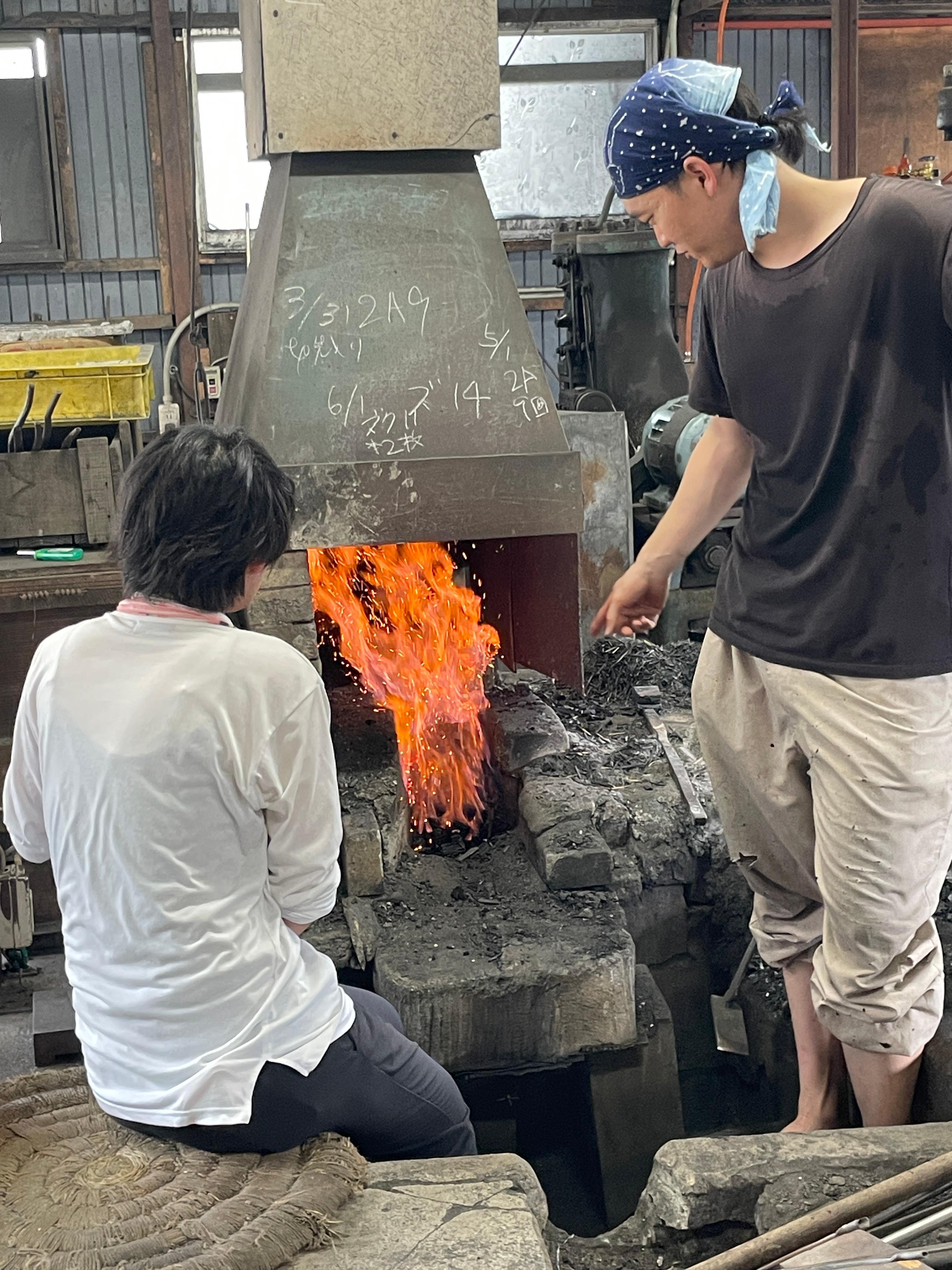
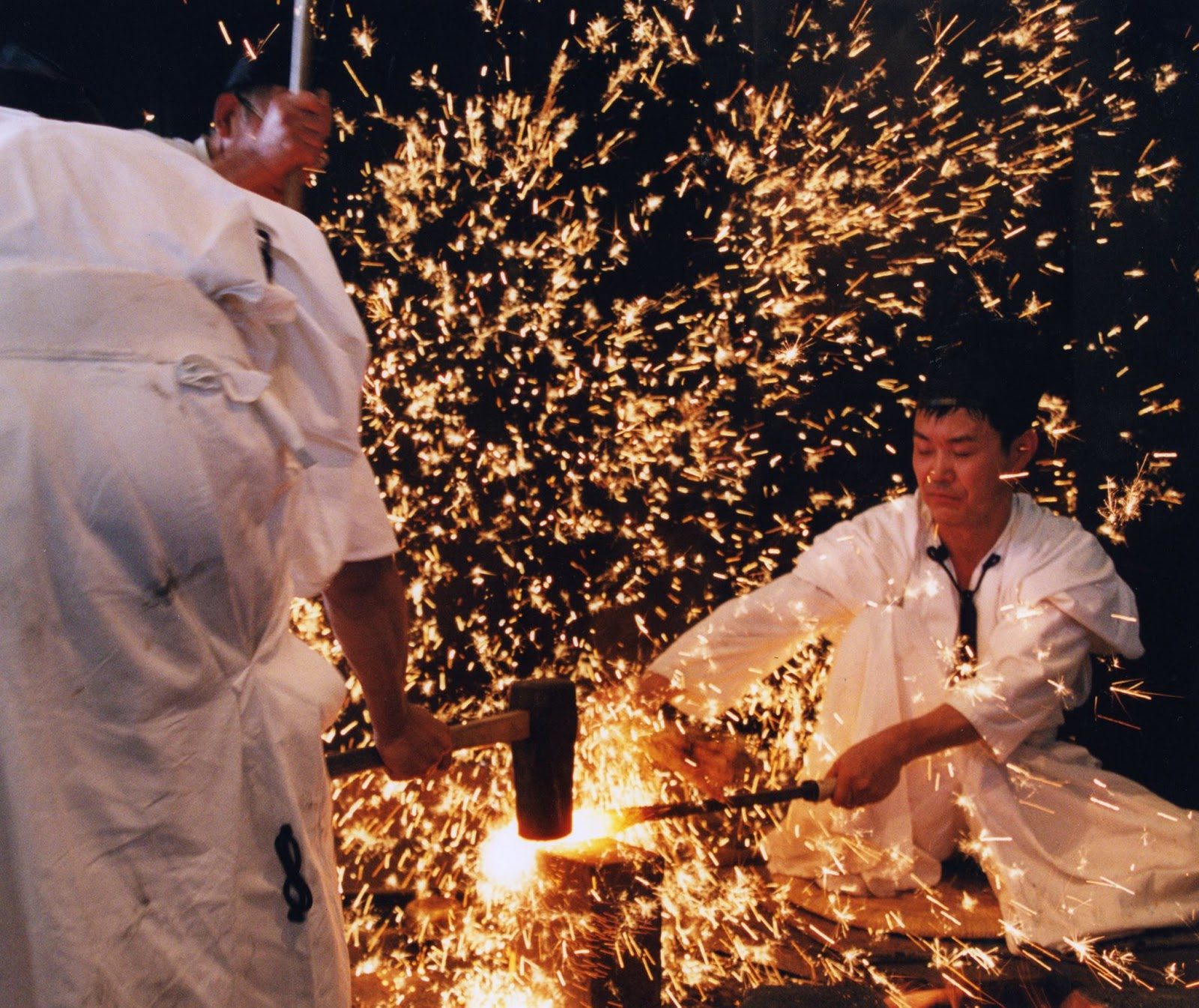
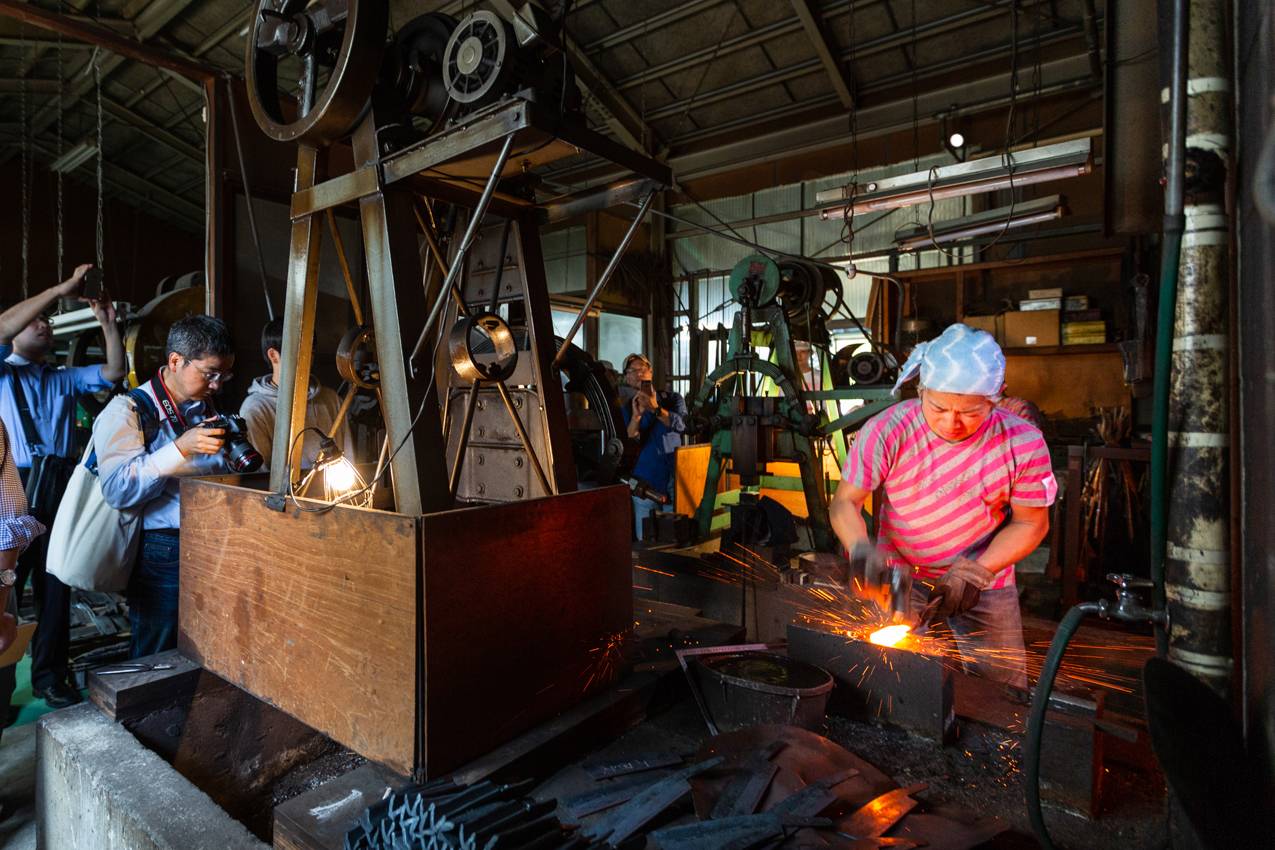
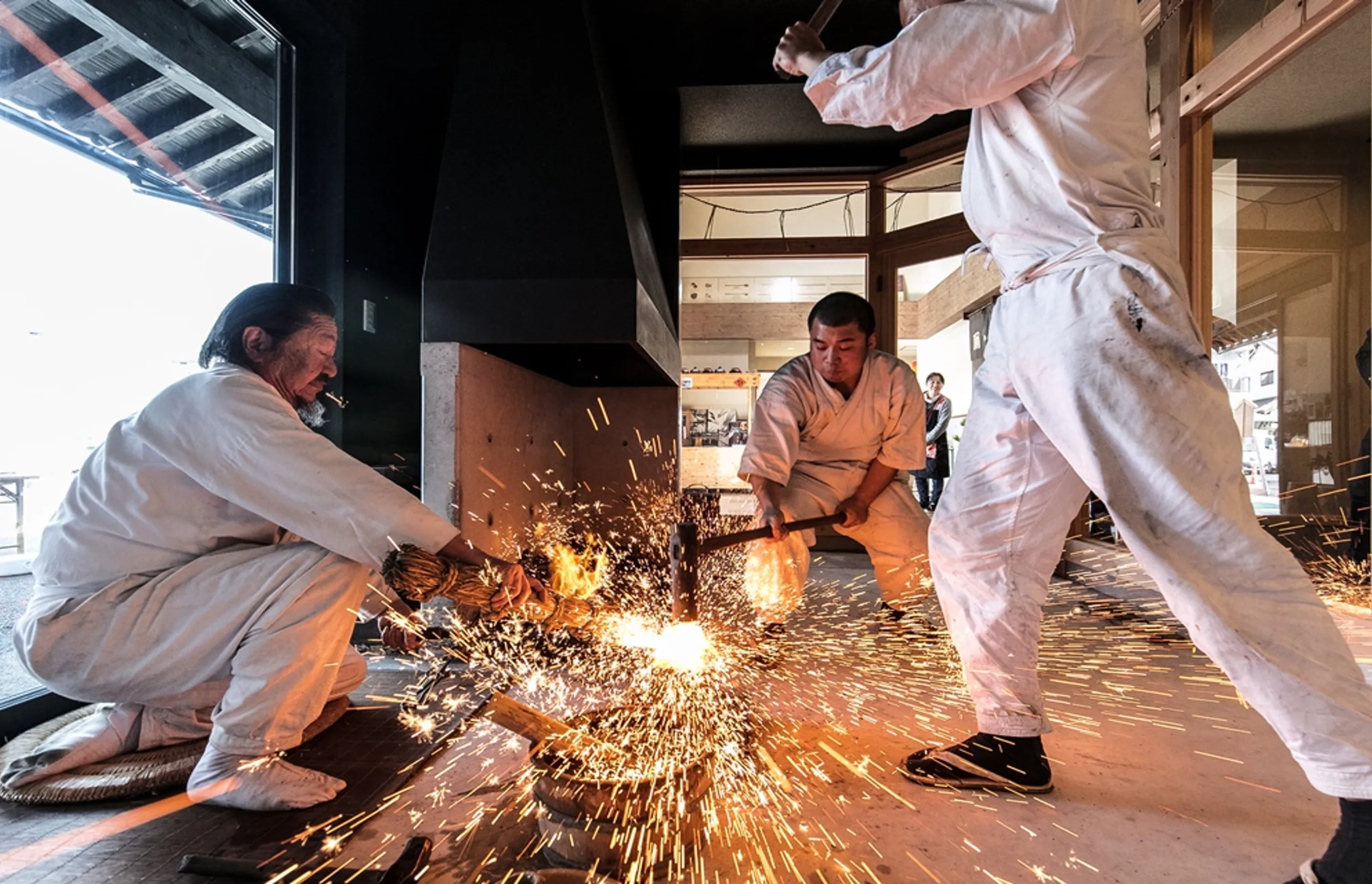
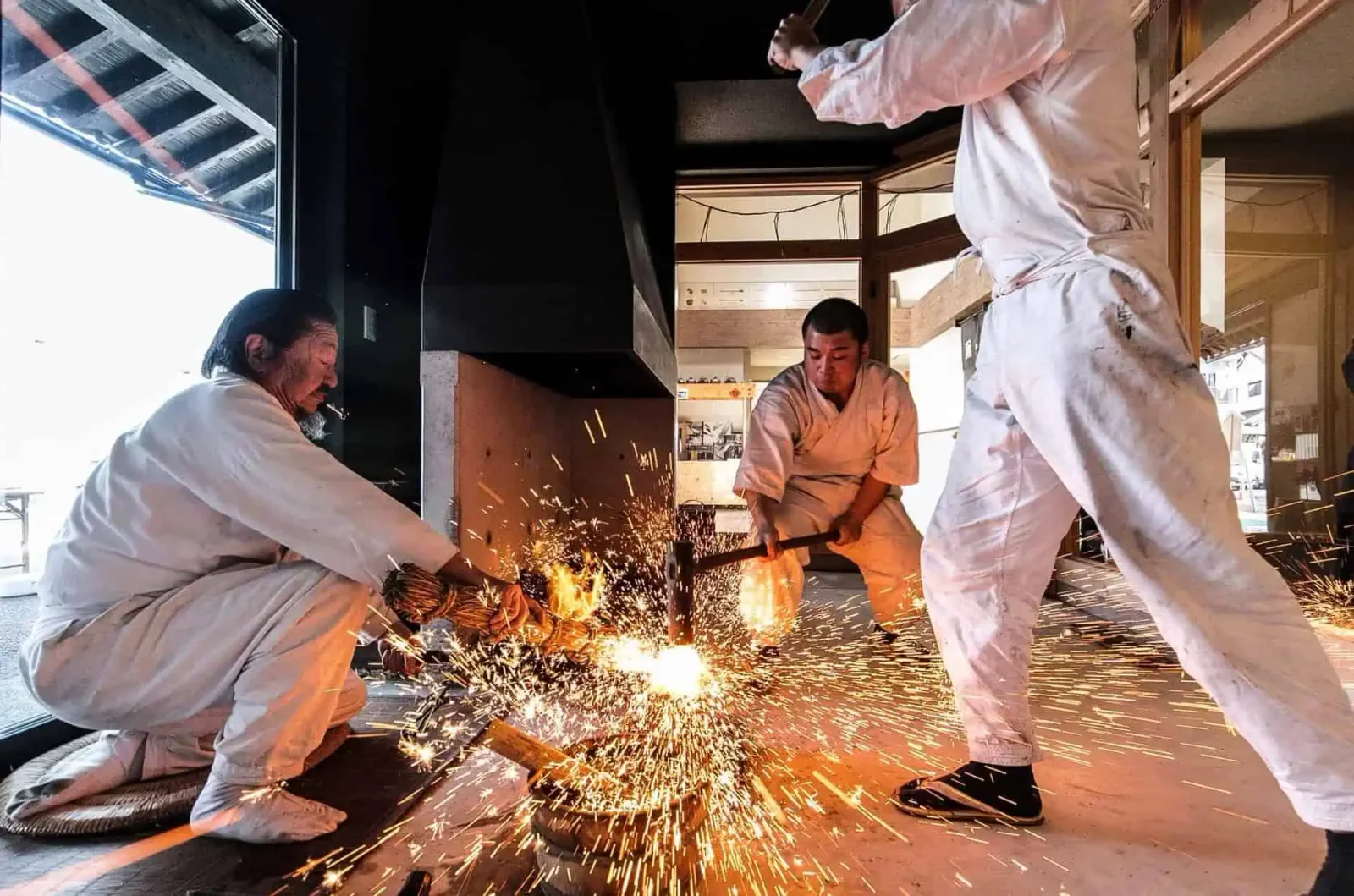
Witness master smiths at work, with temperatures reaching over 1,000 degrees Celsius during the shaping of high-carbon steel blades.

Antique Blade Gallery

Antique Blade Gallery

Features masterworks from the Muromachi period, highlighting the signature sanbonsugi hamon patterns of the Mino tradition.

Modern Cutlery Wing

Modern Cutlery Wing

Showcases the evolution from samurai swords to globally renowned kitchen knives, scissors, and precision surgical tools.

Kamakura Period Displays

Kamakura Period Displays

Documents the 14th-century origins of Seki blade-making when legendary smiths first settled in the region.

Viewing Platform

Viewing Platform

Provides an up-close perspective of the traditional forging process, allowing visitors to feel the heat and rhythm of the hammer.

Compare

Seki Knife Making Workshop tickets & tours compared

Every Seki Knife Making Workshop tour side-by-side — duration, what's included, how you redeem.

Experience DurationRatingTransfersLunchGuideFree cancel. Price
Standard Entry
Mitsuboshi Cutlery Factory Tour in Seki
40 min★ 5.0——✓✓ €11 Book →
Standard Entry
Tamahagane Kitchen Knife Forging Workshop in Seki
4 hr★ 5.0———✓ €645 Book →

All prices from verified partners. Availability and exact terms confirmed at checkout.

Head to head

Seki Traditional Swordsmith Museum vs. Knife Museum for Your Seki Knife Making Experience

The Swordsmith Museum offers a deeper look at heritage blacksmithing, while the G.SAKAI Knife Museum provides a more direct connection to contemporary manufacturing, making seki knife making workshop tours a frequent choice for those wanting to observe modern production.

Feature Top pick Seki Swordsmith Museum G.SAKAI Knife Museum
Primary focus
Modern commercial cutlery
Hands-on activity availability
Product showroom focus
Historical significance
Moderate (industrial cutlery evolution)
Best for
Collectors and gadget shoppers
Ease of access
Accessible by local transit

Verdict: Choose the Swordsmith Museum if you prioritize historical sword arts, or select G.SAKAI to purchase seki knife making workshop tickets for a view of industrial bladesmithing.

How your ticket works

Book Seki Knife Making Workshop tours in 3 steps

  1. 01

    Book online

    Choose your ticket, select your date, and reserve in under two minutes. Secure checkout handled by our verified partner.

  2. 02

    Receive your mobile voucher

    Instant confirmation by email, with a mobile voucher you can save offline. No printing, no queuing at a collection desk.

  3. 03

    Show & enter

    Arrive at the entrance, show your voucher on your phone, and walk in. Most tickets include priority or skip-the-line access.

Plan your visit

Plan your Seki Knife Making Workshop visit

Practical details for Seki Knife Making Workshop tickets straight from our verified partners — hours, access, rules, and how to get there.

Open today · 09:00–16:30
Opening hours
09:00–16:30
Address
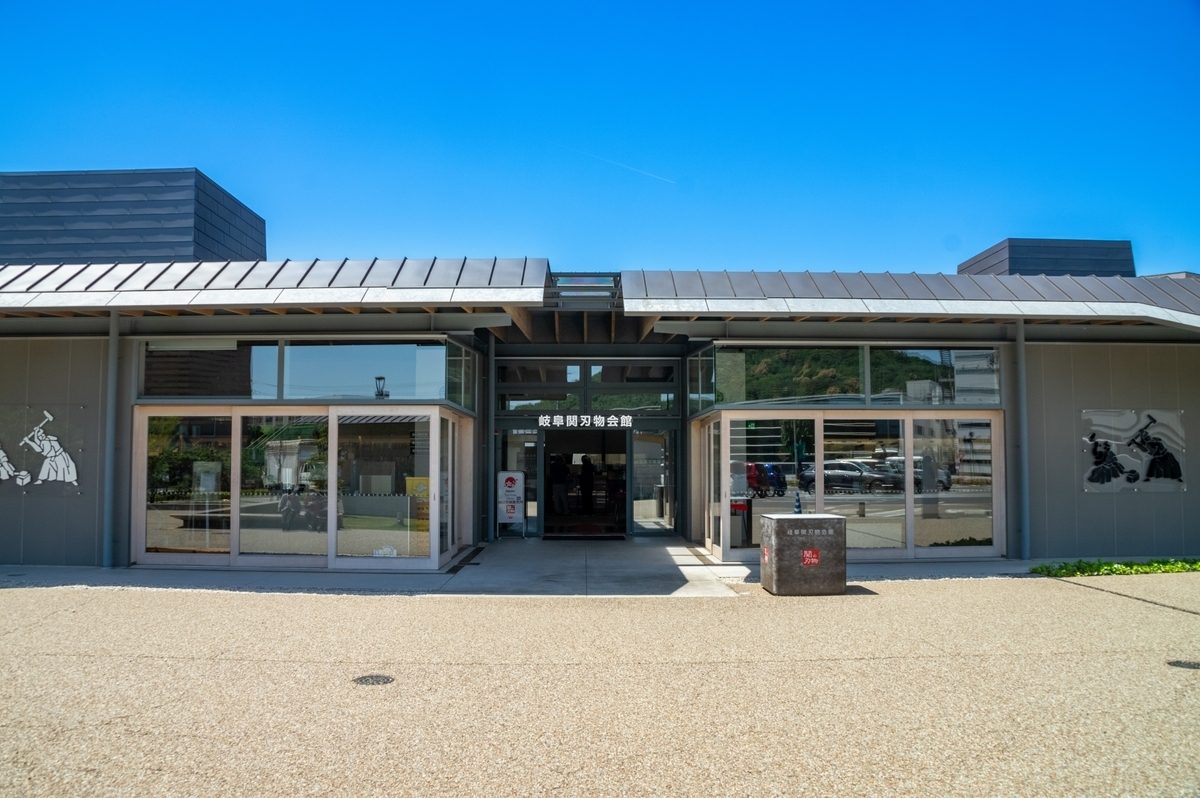
9-1 Minamikasuga-cho, Seki City, Gifu Prefecture, Japan
Entry fee
300 JPY (admission fee, per adult)
Best arrival
09:00–15:30
Storage
Not available on-site
Navigation
5-minute walk from Nagaragawa Railway Hamono Kaikanmae Station
Mon
09:00–16:30
Tue
Closed
Wed
09:00–16:30
Thu
09:00–16:30
Fri
09:00–16:30
Sat
09:00–16:30
Sun
09:00–16:30
Closed on: Every Tuesday (Weekly closure), Day after national holiday (Weekly closure)
Location

seki knife making workshop, Seki

Open in Google Maps
Address
9-1 Minamikasuga-cho, Seki City, Gifu Prefecture, Japan
Storage
Not available on-site
Navigation
5-minute walk from Nagaragawa Railway Hamono Kaikanmae Station

Dress code

Casual attire is suitable for visiting the seki knife making workshop. Closed-toe shoes are highly recommended if you participate in forging activities to protect against stray sparks.

Bags & security

There are no lockers available at the seki knife making workshop museum. Please travel light as you will be responsible for your personal belongings throughout the facility.

Photography

Photography is permitted in most gallery areas of the seki knife making workshop. However, please refrain from using flash during sword forging demonstrations to avoid distracting the craftsmen.

Accessibility

The Seki Traditional Swordsmith Museum is largely accessible to visitors on the ground floor. Staff are available to assist guests navigating the space during a seki knife making workshop tour.

Mobile phones

Mobile phones may be used for photos, but please keep them on silent mode. Stay mindful of your surroundings during live seki knife making workshop demonstrations.

What to bring

  • Comfortable walking shoes
  • Water bottle
  • Camera
  • Sunscreen (for outdoor walks)
  • Valid ID
  • Hand towel

Not allowed

  • Open-toe shoes
  • Flammable materials
  • Large suitcases
  • Tripods
  • Laser pointers
  • Drones
  • Alcoholic beverages
  • Sharp tools (unless purchased)
  • Smoking materials

Families & strollers

Families are welcome at the seki knife making workshop, though children must be supervised closely near the forge. The museum provides an educational environment for all ages.

Food & drink

Eating and drinking are prohibited inside the galleries of the seki knife making workshop. You can find local dining options within the nearby Sekiterrace complex.

Pets

Pets are not allowed inside the museum, with the exception of certified service animals. Please make alternative arrangements for your pets before arriving.

Good to know

The seki knife making workshop is a deep dive into 700 years of history. Visitors are encouraged to explore the Sekiterrace after their visit.

Around your visit

Seki Knife Making Workshop — everything else worth knowing

Best time to go, insider tips, nearby landmarks, and the cancellation fine print — flip through to skim what matters to you.

Cancellation policy

Flexible, no hidden fees.

For the seki knife making workshop, reservations can typically be cancelled up to 24 hours in advance for a full refund. Please note that the 300 JPY museum admission fee is separate from workshop costs.

Traveler reviews

Seki Knife Making Workshop tour reviews

4.7
★ ★ ★ ★ ★
2,160 reviews
48K+ travelers chose this
  • ★★★★★
    "Booked the seki knife making workshop for a Friday morning and it ran close to three hours with almost no standing around. The forge sits maybe forty degrees hotter than the street, so the indigo apron they hand you is not decoration. Watching the scale fly off the bar under my own hammer was the part I keep describing to people back home."
    Marcus H. · Germany · 2026-07-12
  • ★★★★★
    "As a Japanese visitor I expected a tourist-shaped version and got a real bench instead, with a craftsman who corrected my hammer angle three times before he was satisfied. The 関の刃物づくり体験 covers rough shaping through to the first bevel, and the Mino province lineage is explained without turning into a lecture. My petty knife has a slightly crooked spine and I would not trade it."
    Aiko T. · Japan · 2026-06-28
  • ★★★★
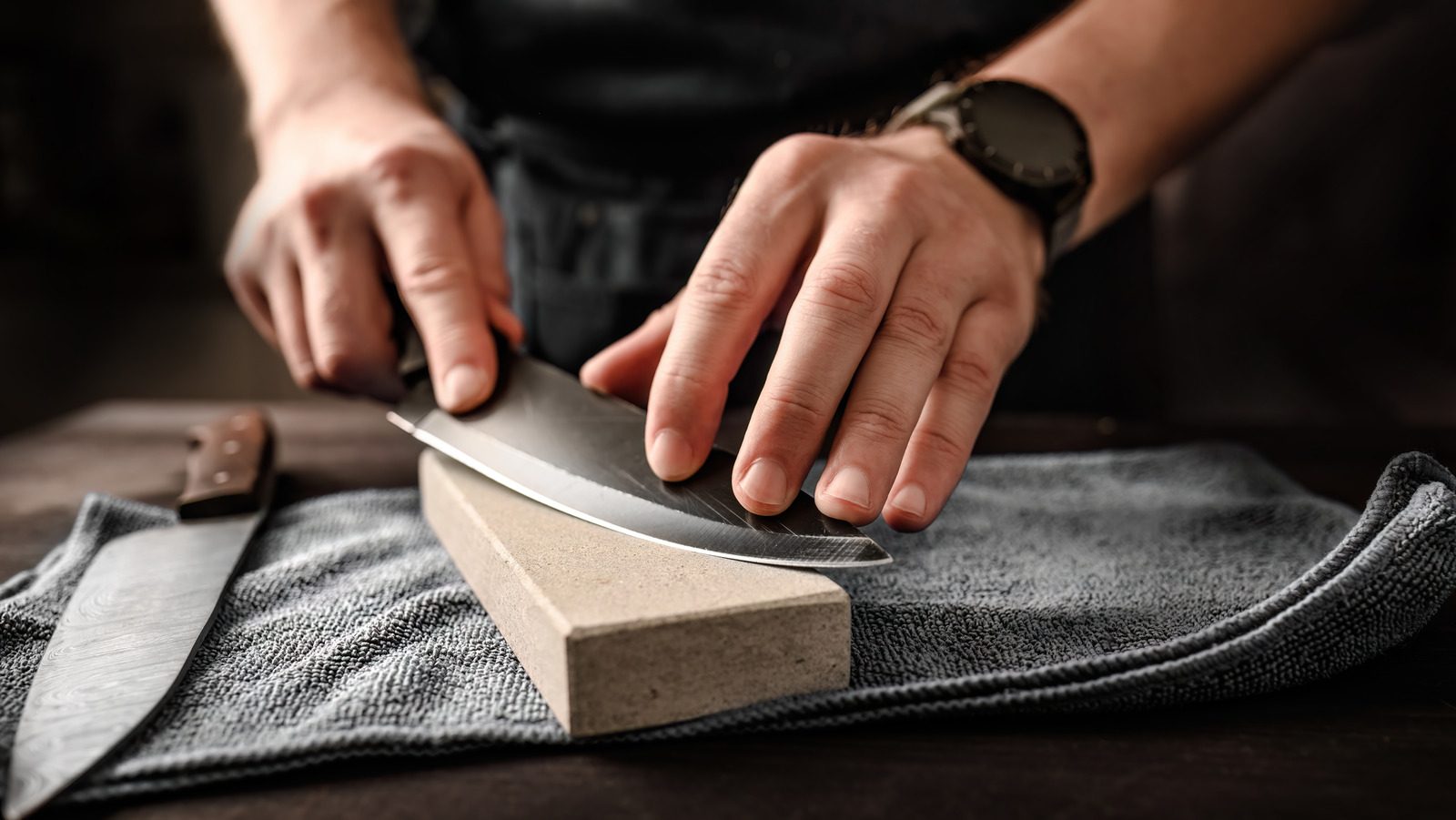
    "The seki knife making workshop tour was well organised, though the room is small and our group of eight meant a little waiting between turns at the anvil. Sparks travel further than you think, so long sleeves and closed shoes matter more than the confirmation email suggests. The whetstone section at the end was the quietest and, oddly, my favourite part."
    Sophie L. · France · 2026-05-19
  • ★★★★★
    "Came into Seki on the train from Gifu with low expectations and left with a knife I have used every night since. The Seki blade forging tour was hands-on from about ten minutes in, and the smith let me quench my own blank rather than doing it for me. The hiss when the steel hit the water is a sound I did not expect to remember."
    Daniel R. · United States · 2026-08-03
  • ★★★★★
    "We reserved our seki knife making workshop tickets about three weeks out and the morning slot was already the last one left, so plan earlier than you would for most things in Gifu. Only two of us in the session, which meant the craftsman worked alongside us the whole way through the shaping and handle fitting. Bring a bottle of water because the charcoal bed makes the room genuinely warm."
    Priya N. · United Kingdom · 2026-04-11
  • ★★★★★
    "The workshop building is unassuming from the lane and then you step inside and there is a glowing charcoal bed and an anvil polished silver in the middle of the floor. We paired it with a skip-the-line Seki cutlery hall visit in the afternoon, which made the whole day feel connected rather than like two separate stops. Sunlight through the open door with steel dust in it is the image that stayed with me."
    Lucas M. · Brazil · 2026-03-02
  • ★★★
    "Solid experience but our session ran closer to ninety minutes than the two hours we expected, and a lot of the shaping was done for us before we arrived. The craftsman was patient and the whetstone demonstration on the santoku was excellent, so I do not regret going. Just go in knowing you are finishing a blade rather than starting one from raw stock."
    Karen S. · Australia · 2026-02-27
  • ★★★★★
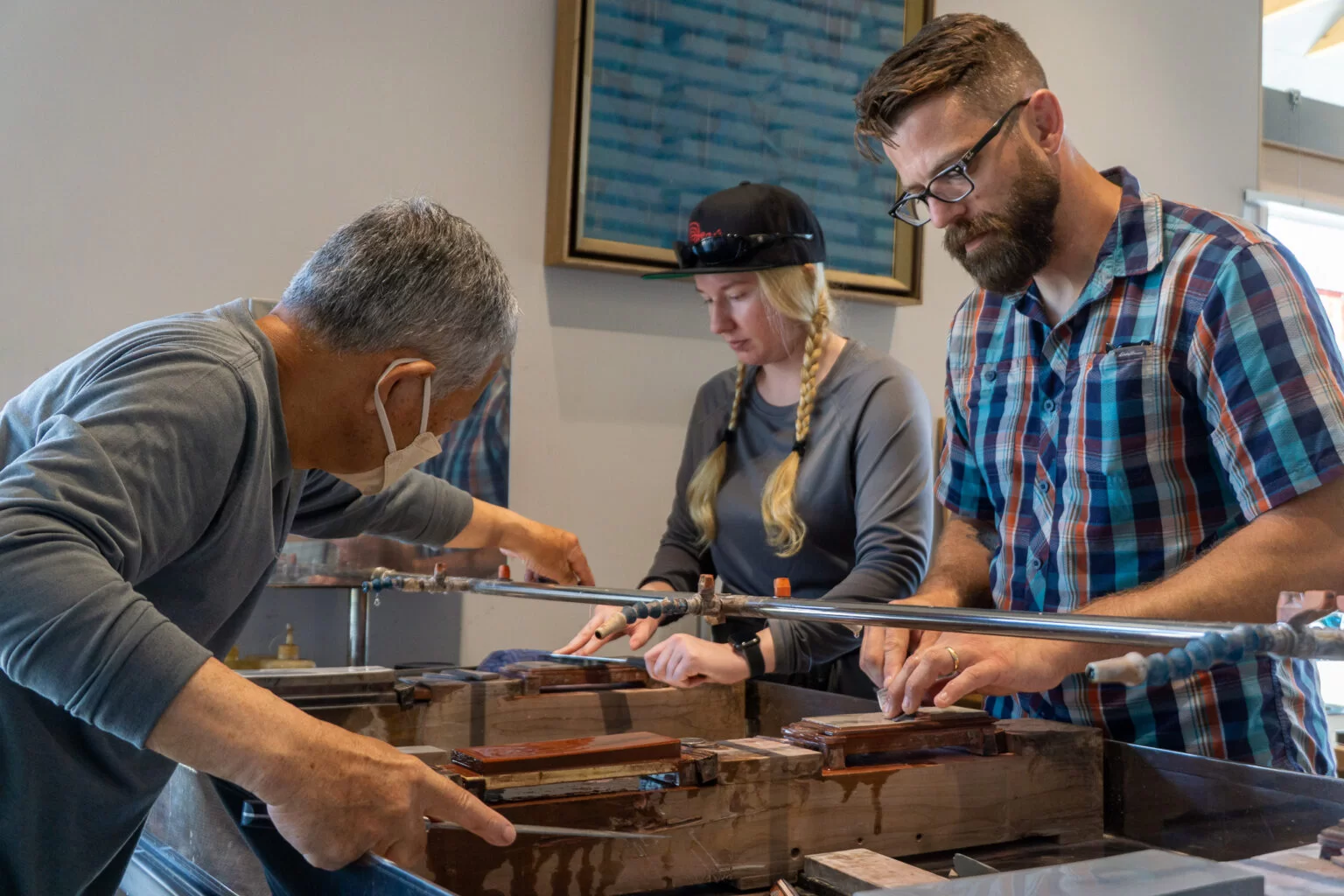
    "The forging is what draws people to a seki knife making workshop but the sharpening bench is where I learned the most, holding a consistent angle while the slurry turned grey. Our instructor has worked in the cutlery trade for over forty years and talked about the trade the way a farmer talks about weather. The magnolia handle he fitted for me still smells faintly of the wood shop."
    Hiroshi K. · Japan · 2025-11-16
  • ★★★★★
    "Arrived mid-afternoon in heavy summer humidity and the forge somehow felt cooler than the walk from the station because of the airflow through the open doors. Seki cutlery workshops like this one keep the tang and hamon vocabulary practical rather than academic, which suited us. My partner still uses the knife more than anything else in our kitchen drawer."
    Elena V. · Spain · 2025-06-08
1★
260
2★
310
3★
840
4★
2600
5★
9800
Seki Knife Making Workshop at a Glance
About

Seki Knife Making Workshop at a Glance

Seki turns out more kitchen blades than any other city in Japan, and the reason is older than the industry: charcoal, clay, and cold river water. The Seki Knife Making Workshop occupies that inheritance at 9-1 Minamikasuga-cho, in Gifu Prefecture, minutes from forges that still ship worldwide.

Read more

Smiths came here for pine charcoal from the Mino hills and for the Nagara River, whose water quenched steel at a steady temperature. Geography built the trade.

The Mino school is one of the Gokaden, the five classical traditions of Japanese swordsmithing. Kaneuji, trained in Yamato, settled in the valley in the fourteenth century and fixed the local method. Magoroku Kanemoto, working generations later, left behind a phrase still quoted in the city: a blade that will not break, will not bend, and cuts well. Seki sword making contracted after the Meiji era ended the wearing of swords. The craft did not disappear. It shifted into razors, shears, surgical steel, and the pocket knives and gyuto that carry the name today.

Seki knife making today is a division of labour, not a single pair of hands. Forging, stamping, heat treatment, grinding, and the long patience of the whetstone pass between specialist shops, many of them family-run for four or five generations. Seki knife makers still test edges by ear and by feel. That system is what Seki Knife Making Workshop tours are built to reveal: the museum's cases hold antique tanto and katana beside laminated Damascus billets, VG-10 cores, and the machinery that replaced the trip hammer. Displays trace a blade from raw steel bar to finished bolster and tang. A Seki knife making class held in the same building lets the sequence be felt rather than read.

The building is modest — a two-storey annexe to a working cutlery dealer, not a civic monument. That is part of the point. Admission is 300 JPY, and the museum keeps ordinary trade hours, 09:00–16:30, with Tuesday closed. Seki Knife Making Workshop tickets buy access to a room where the city explains itself in objects: hammer marks, hamon lines, wooden handle blanks, a wall of scissors. Nothing here is staged for spectacle. The Seki cutlery collection reads as a working archive, assembled by people who still sell what they display.

"The craft did not disappear; it moved sideways into razors, shears, and the kitchen."
Your experience

What a Seki Knife Making Workshop tour day looks like

A step-by-step walkthrough of Seki Knife Making Workshop tickets — what you'll see, how long each stage takes, and the details that matter.

You arrive before 15:30 — earlier if you want room to move — and pay 300 JPY at a counter that also sells the knives on the shelves behind it. The ground floor smells faintly of oil and cardboard. You start with the wall of blanks: flat steel silhouettes, unhardened, each one a knife that has not happened yet.

Read more

Upstairs you slow down. Glass cases run the length of the room: a tanto with a wave-shaped hamon, scissors for silk, a razor ground to something close to transparency. You read the panel on lamination, then find the cut-away blade beside it and see the soft jacket wrapped around a hard core. Twenty minutes disappear here. An attendant may hand you two knives of identical shape and ask which is heavier; you will guess wrong.

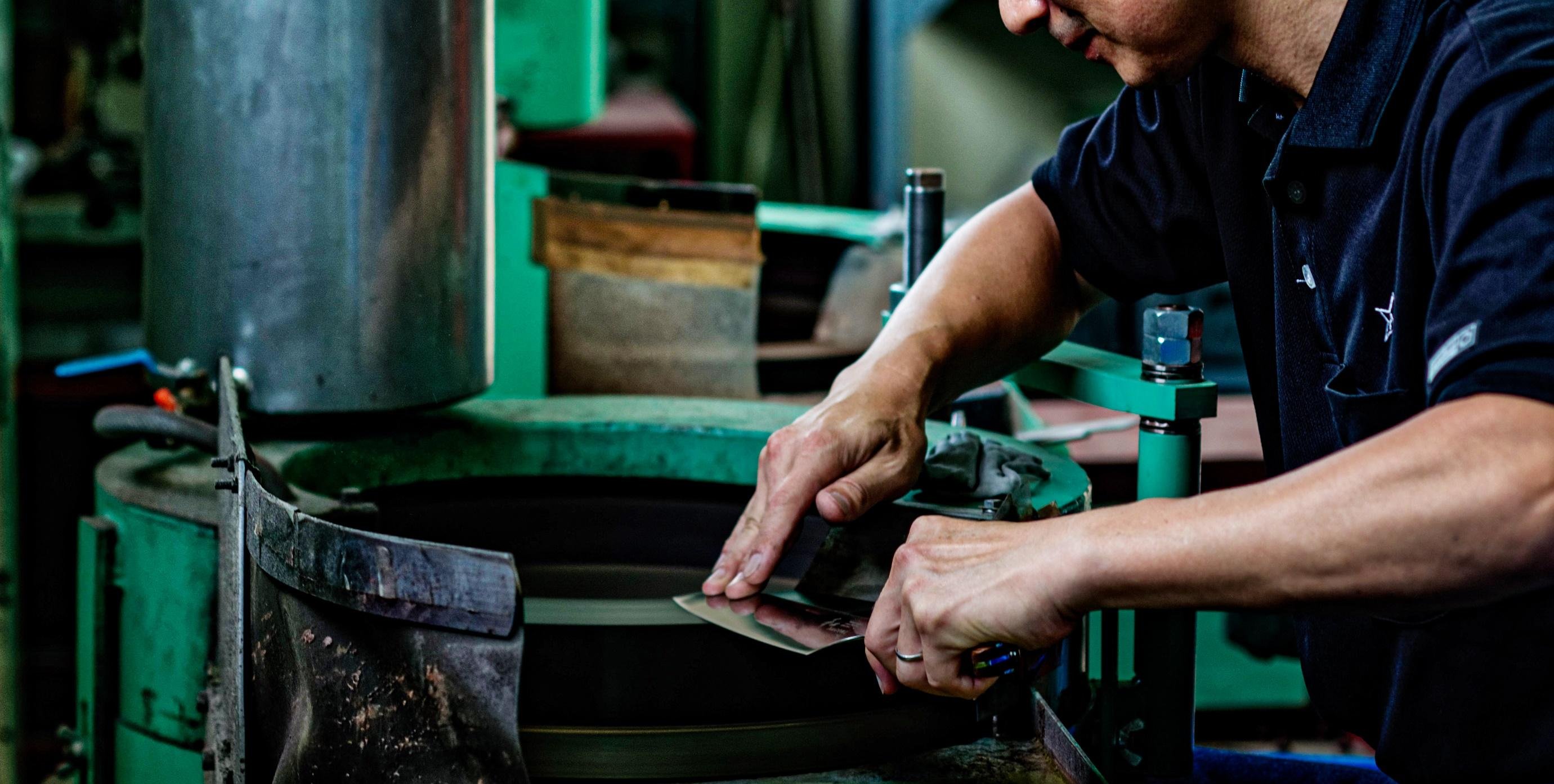
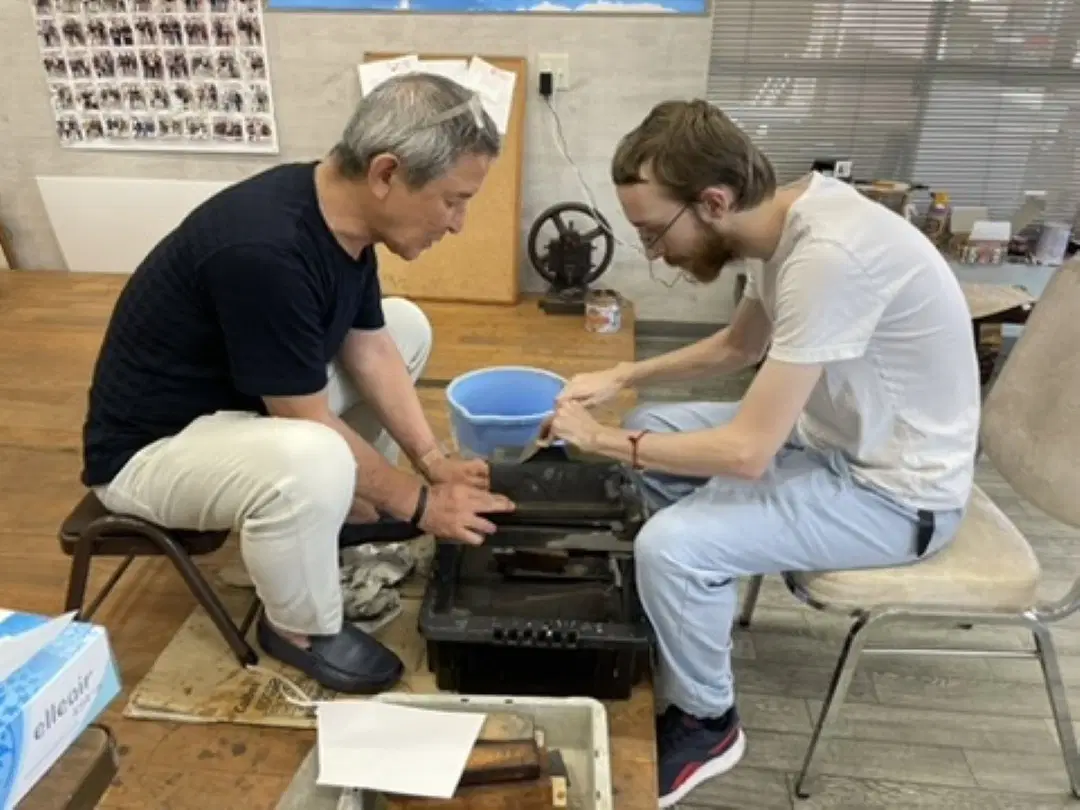
Then the bench. A Seki Knife Making Workshop tour ends where the Seki knife making experience begins: you clamp a blank, take a file, and work the bevel until your forearm complains. You grind, you test the edge on paper, you grind again. A staff member rivets the handle scales while you hold the tang steady. You leave with a knife that is yours, a slip of paper naming its steel, and the smell of hot metal in your sleeve. The last train back to Gifu is easy to miss when the counter closes at 16:30.

Your experience at Seki Knife Making Workshop
Frequently asked

Frequently asked questions about seki knife making workshop tours

What are the opening hours for the seki knife making workshop?

The museum is open 09:00–16:30, Wednesday through Monday. It is closed on Tuesdays.

Is there an entrance fee for the seki knife making workshop?

The entrance fee is 300 JPY per adult.

When is the best time to arrive for a seki knife making workshop tour?

We recommend arriving between 09:00–15:30 to enjoy the exhibits fully before the 16:30 closing time.

Are children allowed at the seki knife making workshop?

Yes, families are welcome at the seki knife making workshop, provided children remain supervised near the forge.

Can I book seki knife making workshop tickets in advance?

Yes, it is recommended to check the official site to secure your spot for a seki knife making workshop tour.

Is photography allowed during the seki knife making workshop?

Photography is generally allowed, but avoid flash during live forging demonstrations at the museum.

How do I get to the seki knife making workshop?

The museum is a 5-minute walk from Nagaragawa Railway Hamono Kaikanmae Station.

Are there nearby attractions to visit after my seki knife making workshop tour?

You can visit the Sekiterrace or explore the surrounding shops in Seki City after your seki knife making workshop.

Is the seki knife making workshop open on weekends?

Yes, the museum is open on Saturdays and Sundays from 09:00–16:30.

What is the cancellation policy for seki knife making workshop tickets?

You can typically cancel your seki knife making workshop booking up to 24 hours in advance for a full refund.

Keep exploring

More Seki Knife Making Workshop tours & experiences

Nearby cities & day trips
Gifu City
1h train from Nagoya/Gifu center