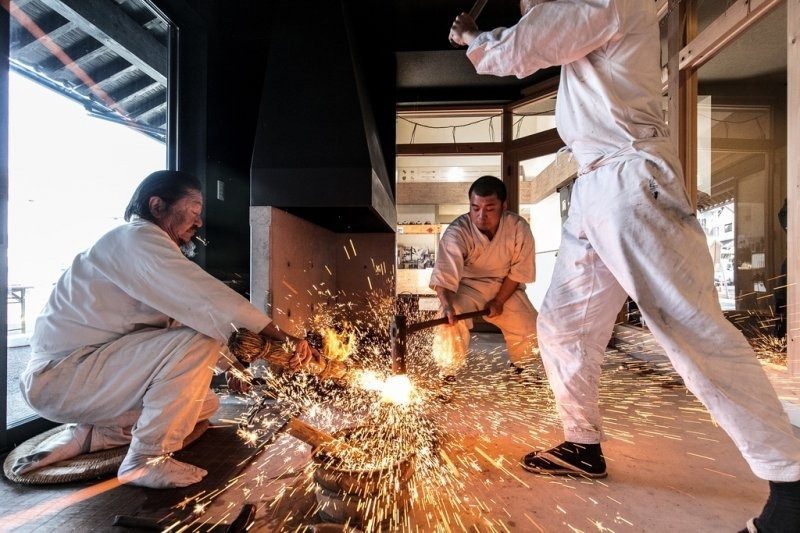
Swordsmithing Workshop
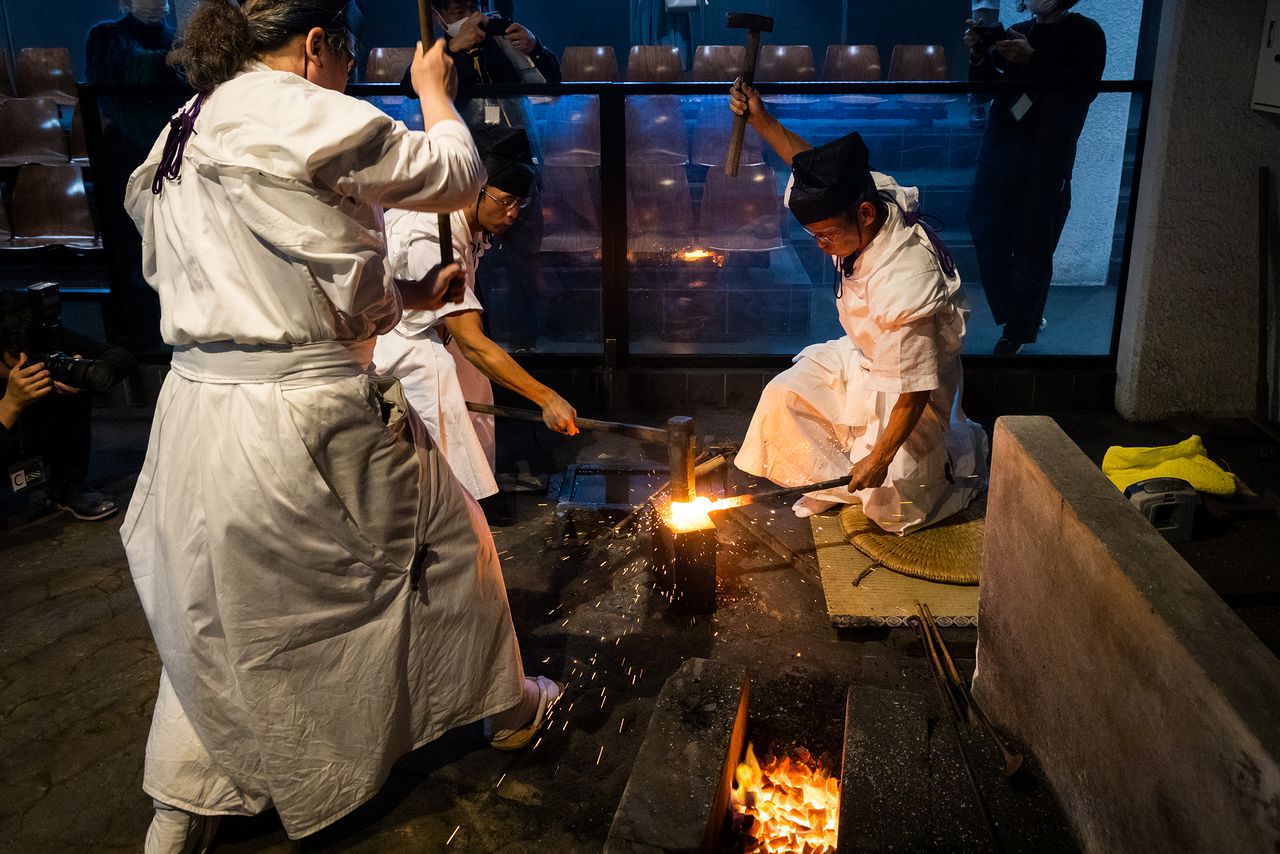
Witness the authentic forge where smiths perform traditional techniques during scheduled demonstrations.
Check the museum schedule to align your visit with live forging.

Seki has been forging blades for roughly 700 years, and the craft never became a museum piece — it became an industry. This guide explains what a visitor can realistically watch, handle and learn in a single day, and where the public-facing side of the trade actually begins.
Quick answer
Most visitors start at the Seki Traditional Swordsmith Museum, where adult admission is 300 JPY and the doors open at 09:00 on every day except Tuesday, when the museum is closed. Working cutlery factories are largely private, so scheduled forging demonstrations and the city's hands-on workshops are the reliable way to see a blade take shape.
Seki produces a substantial share of Japan's kitchen cutlery, yet the city has no grand blade boulevard — the trade hides inside low industrial sheds along the Nagara River basin, behind sliding doors and unmarked gates. That contrast surprises first-time arrivals. The town's reputation was built on tachi and katana forged from the Kamakura era onward, when smiths settled here for the clay, charcoal, and clean river water. Those same conditions later fed a switch to pocket knives, razors, scissors and gyuto blades. Today the seki knife makers who supply global brands are industrial firms, not lone artisans at an anvil, and their production floors are generally closed to casual visitors. This is the practical point that reshapes most itineraries. Travellers arrive expecting to wander from forge to forge; what actually exists is a curated public layer built around the Seki Traditional Swordsmith Museum at 9-1 Minamikasuga-cho, plus the cutlery halls, factory outlets and a handful of booking-only workshops. The museum anchors it. Inside, tamahagane steel, folded billets, quenching clay and the hamon temper line are laid out in sequence, so the vocabulary makes sense before anyone watches a smith work. Scheduled forging demonstrations — announced by the city rather than held continuously — are the highlight when the calendar lines up, and confirming the date by phone before travelling is worth the call. Around that core sits the rest of the Seki knife town experience. Blade-sharpening sessions, knife-assembly classes and short guided introductions to the cutlery trade run through local operators, and these are the closest a visitor gets to the bench. Booking ahead matters in summer and around the city's cutlery festival period, when demand spikes and slots close early. A Seki blade-craft tour typically pairs the museum with an outlet stop, since the same shops that sell chef's knives will grind an edge while a buyer waits. Used well, an afternoon here answers the question most people came with: whether Japanese blades still justify their reputation. The honest answer sits in the exhibits — laminated construction, differential hardening, and a supply chain that runs from a Gifu workbench to kitchens worldwide. Plan around the museum's closing time, allow an unhurried hour inside, and treat the workshops as the reason to stay a full day rather than a stopover. Anyone researching seki knife makers should build the day around the museum first and let everything else follow from there.
“The trade hides inside low industrial sheds along the Nagara River basin, behind sliding doors and unmarked gates.”
The Seki Traditional Swordsmith Museum operates on a consistent weekly schedule, remaining open for visitors every day of the week except Tuesday.
The Seki Traditional Swordsmith Museum is located at 9-1 Minamikasuga-cho, Seki City, Gifu, Japan. The most efficient approach involves traveling via the Nagaragawa Railway to Seki Station, followed by a short taxi or bus ride to the site.
JR Tokaido Main Line to Gifu Station, then Gifu Bus to Seki City
Nagaragawa Railway to Seki Station
From Seki Station to the museum
From Seki Station to the museum
If arriving by car, use the designated parking area near the museum entrance. Visitors arriving by train are advised to check local bus schedules in advance, as taxi availability at Seki Station can vary.
The best arrival window is 09:00–16:00 to avoid crowds and ensure enough time for the museum exhibits before closing. Planning your visit within this period allows for a thorough exploration of the craftsmanship on display.
—
Quiet periods allow for closer inspection of exhibits and smithing displays.
Mild temperatures, 12°C–20°C
Crisp weather is ideal for walking between local knife workshops.
Pleasant, 10°C–22°C
The mild climate supports comfortable exploration of the surrounding Seki area.
Verdict: The best time to visit is on weekdays between 09:00 and 16:00 during the months of April or October.
Blade-making in Seki began with water, clay, and pine charcoal. In the 1330s the smith Kaneuji left Yamato Province and settled at Shizu, on the plain between the Nagara and Tsubo rivers. He carried the Yamato method north and altered it. From that move grew Mino-den, one of the five great traditions of Japanese sword forging, and the ground on which seki knife makers still stand. By the late fifteenth century more than three hundred smiths worked here. Their blades carried a plain promise: they did not break, they did not bend, and they cut well. Magoroku Kanemoto, forging in the early 1500s, pressed that promise into a signature still copied today. Sengoku commanders bought Mino steel in quantity. Then peace came and demand thinned; through the Edo period many forges turned to sickles, razors, and kitchen steel. The Haitorei edict of 1876 banned the wearing of swords and closed the old market. 関の刃物 — the cutlery of Seki — became the answer. Western-style pocket knives and razors followed in the Taisho years. After 1945 the Occupation forbade sword manufacture outright, and the town's output turned wholly to household and export blades. Licensed smiths returned to tamahagane in the 1950s, working under permit and quota. Two lines of descent survive. The Seki Traditional Swordsmith Museum keeps a working forge floor, where hand-forging is demonstrated on scheduled days: the charcoal fire read by colour, the quench, the three-hammer rhythm. It is the same sequence the earliest seki knife makers followed.
The swordsmith Kaneuji moves from Yamato Province to Shizu in Seki and establishes the Mino-den forging tradition.
More than three hundred swordsmiths are recorded working in and around the town.
Magoroku Kanemoto forges blades prized by Sengoku commanders for strength and cutting edge.
The Haitorei edict bans the wearing of swords, collapsing demand and pushing smiths toward cutlery.
Workshops adopt Western-style pocket knives, razors and scissors during the Taisho era.
Occupation authorities prohibit sword manufacture; production shifts entirely to household and export blades.
Sword forging resumes under government licence, limited to a small number of registered smiths.
The Seki Traditional Swordsmith Museum offers a detailed look at the evolution of blade craft through its focused exhibition zones. Visitors can examine the technical progression from traditional katana forging to the high-precision cutlery production that defines modern Seki.
Witness the authentic forge where smiths perform traditional techniques during scheduled demonstrations.
Check the museum schedule to align your visit with live forging.
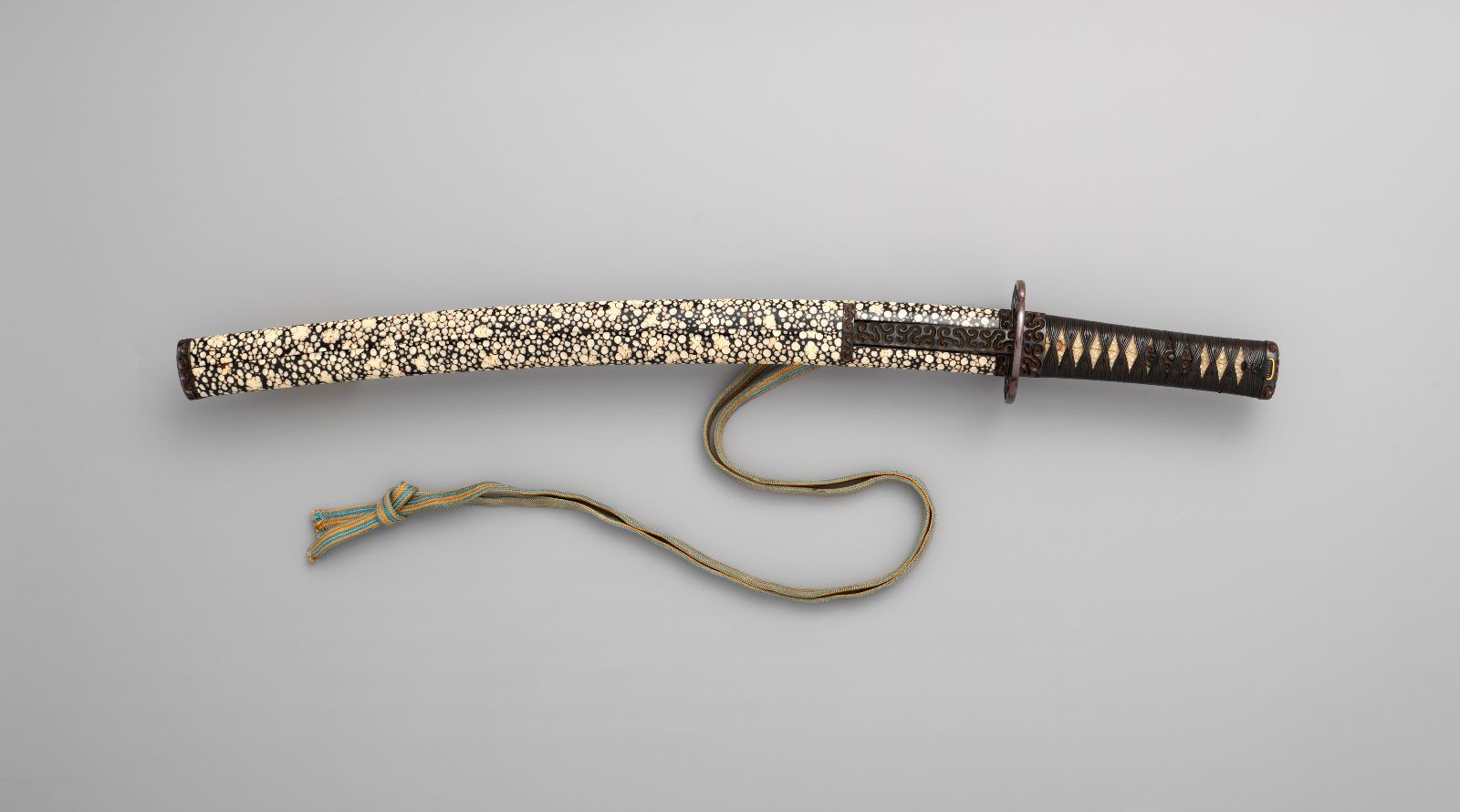
This exhibit showcases a curated selection of swords and knives demonstrating the evolution of regional steel craftsmanship.
Use the floor lamps to inspect blade edge geometry closely.
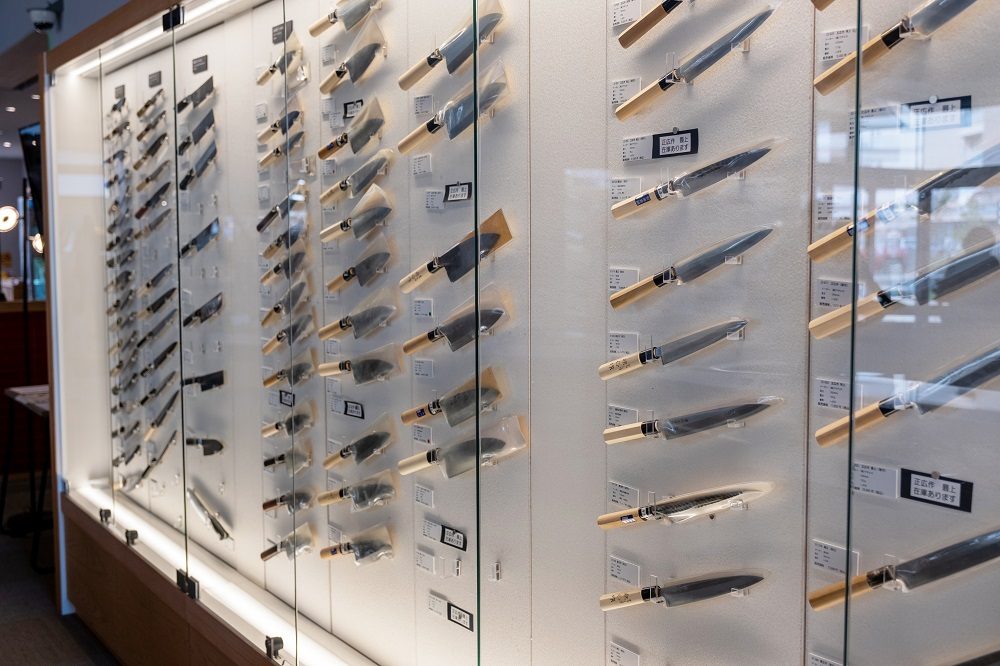
This area presents a wide array of kitchen knives and tools currently produced by local Seki manufacturers.
Compare handle ergonomics and blade finishes on display cases.
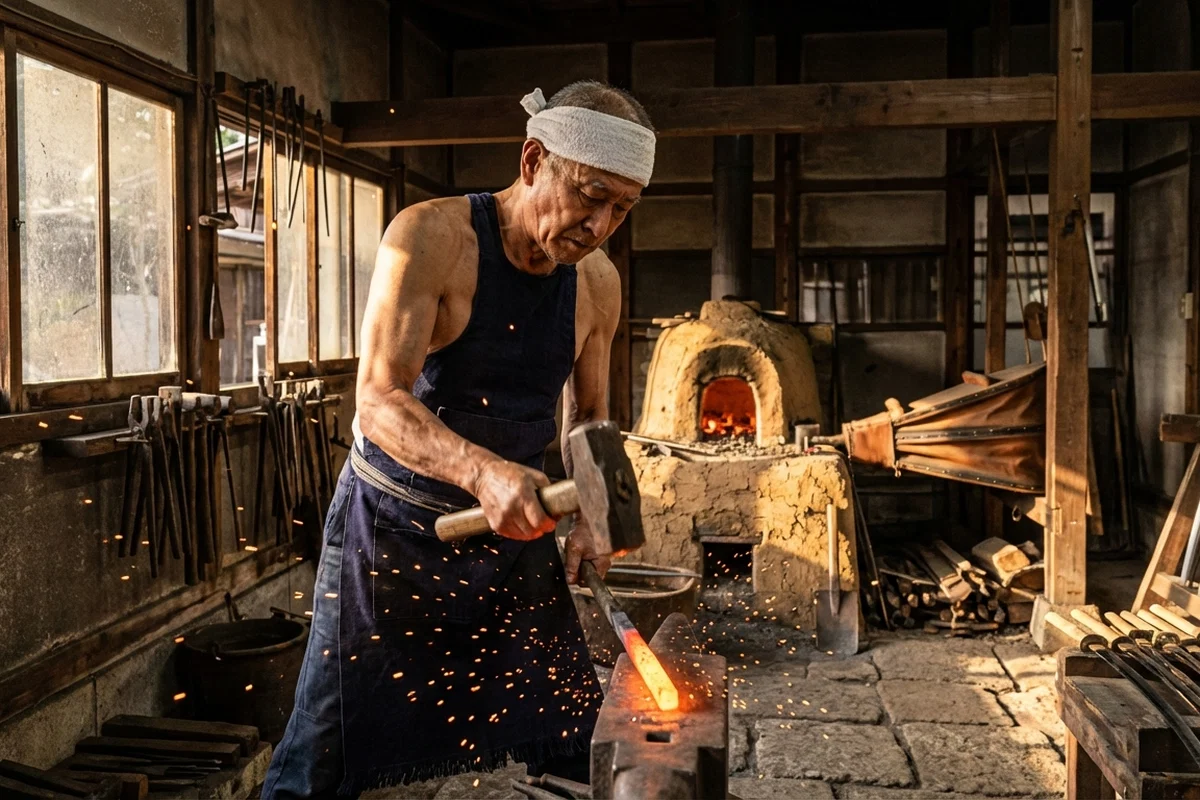
Observe the specialized hammers, anvils, and bellows used by generations of Seki artisans to shape steel.
Focus on the wear patterns on traditional anvil surfaces.
Everything you need to know about seki knife makers
You can explore the history and traditions of seki knife makers at the Seki Traditional Swordsmith Museum. This facility serves as the primary location for understanding the craft and the legacy of regional blacksmiths.
The museum hosts permanent and seasonal displays featuring the work of legendary seki knife makers and swordsmiths. These exhibits highlight the evolution of Japanese blades and the refined techniques used by local artisans.
Admission to the Seki Traditional Swordsmith Museum is 300 JPY for adults. Please check at the entrance for any specific concessionary rates that may apply.
The museum is open from 09:00 to 16:30. It remains closed on Tuesdays, so please plan your visit accordingly.
Yes, the museum is open on Saturdays and Sundays from 09:00 to 16:30. This makes it convenient for weekend travelers interested in regional bladesmithing.
The best arrival window is between 09:00 and 16:00 to avoid crowds and ensure sufficient time to view the exhibits. Arriving earlier in the day provides a more relaxed experience.
While the museum showcases the history of seki knife makers, booking a hands-on forging workshop is a separate process. You can use our booking widget to find available sessions for a traditional knife-making experience.