Seki Knife Making Workshop
Tours & tickets

Hand-picked by our editors — only the best 5 workshops from 32 reviewed.

Open today 09:00–16:00
Attendance: Moderate — summer season
Workshops require several hours to complete; morning start recommended for full experience.
Free cancellation Instant confirmation Mobile voucher Verified partner Book now, pay later
Tickets

Choose your ticket

Verified partners for every tour, free cancellation where available, and instant confirmation on every booking.

Tamahagane Kitchen Knife Forging Experience in Seki 4 hr
Standard Entry

Tamahagane Kitchen Knife Forging Experience in Seki

€645
per person
Instant Mobile voucher Flexible — change up to 24h

Create your own blade using traditional samurai sword steel under the guidance of a prize-winning craftsman

Reserve
Mitsuboshi Cutlery Workshop Experience in Seki 40 min
Standard Entry

Mitsuboshi Cutlery Workshop Experience in Seki

★ 5 (7)
€11
per person
Instant Mobile voucher Flexible — change up to 24h

Discover seven centuries of Japanese blade-making tradition through an intimate factory walkthrough

Reserve

Prices from verified partners. Availability updates in real time at checkout. Free cancellation policies apply where shown.

What you'll do

Inside a tour, step by step

  1. 01 30 min

    Introduction

    Learn about the history of Seki blades.

  2. 02 60 min

    Demonstration

    Watch a master smith perform forging techniques.

  3. 03 120 min

    Practical Session

    Hands-on seki knife making experience participation.

Highlights

What you'll see inside the attraction

The landmarks, rooms, and views travelers on this tour remember — all visible on a single visit.

Master Forging Station

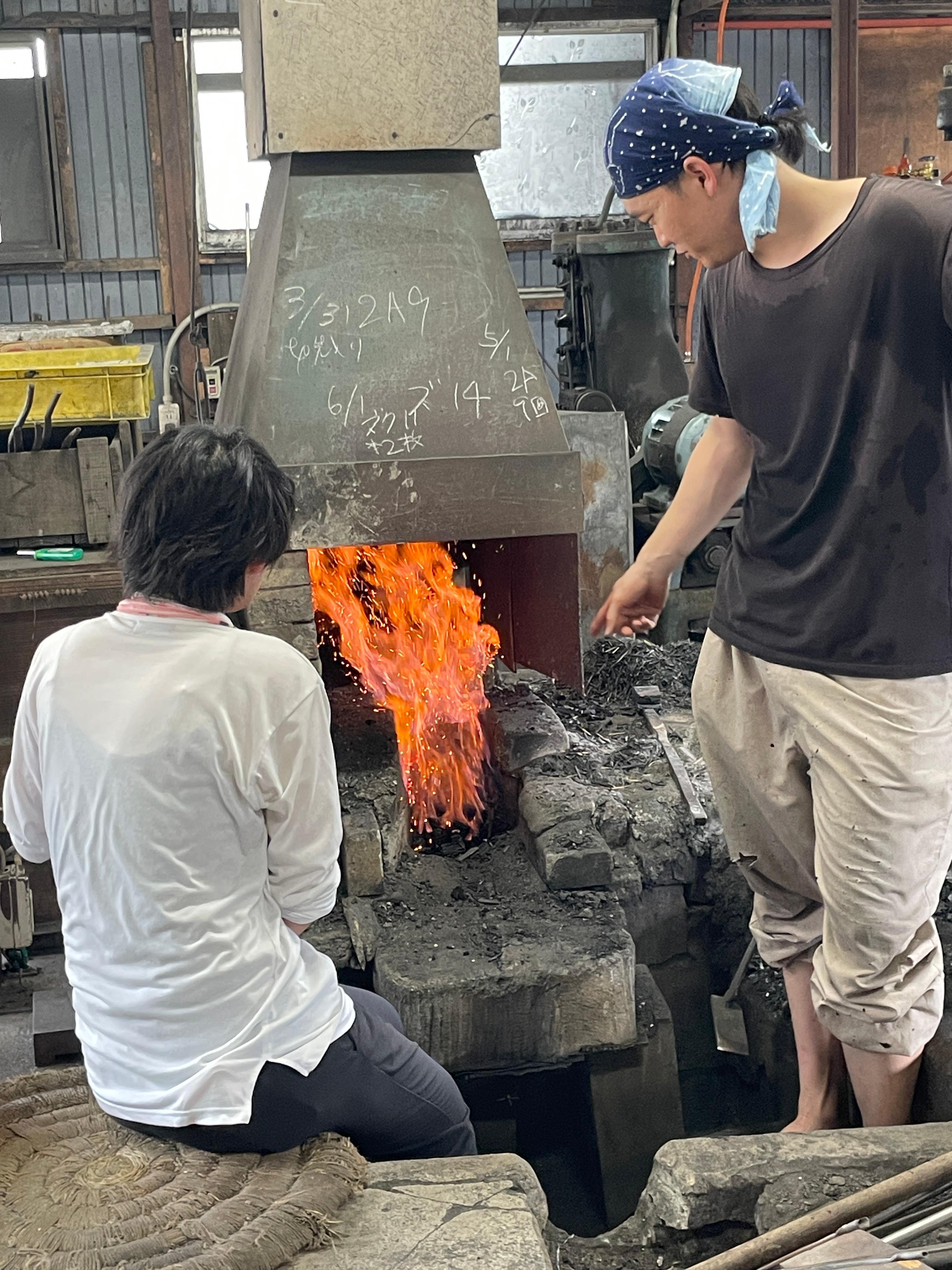
Witness the traditional hammering process where 1000-degree steel is shaped by experts. This area serves as the heart of every seki knife making experience.

Traditional Anvil

This centerpiece tool has been used for generations to calibrate the edge of blades. It is a focal point during the seki knife making experience.

Blade Grinding Bench

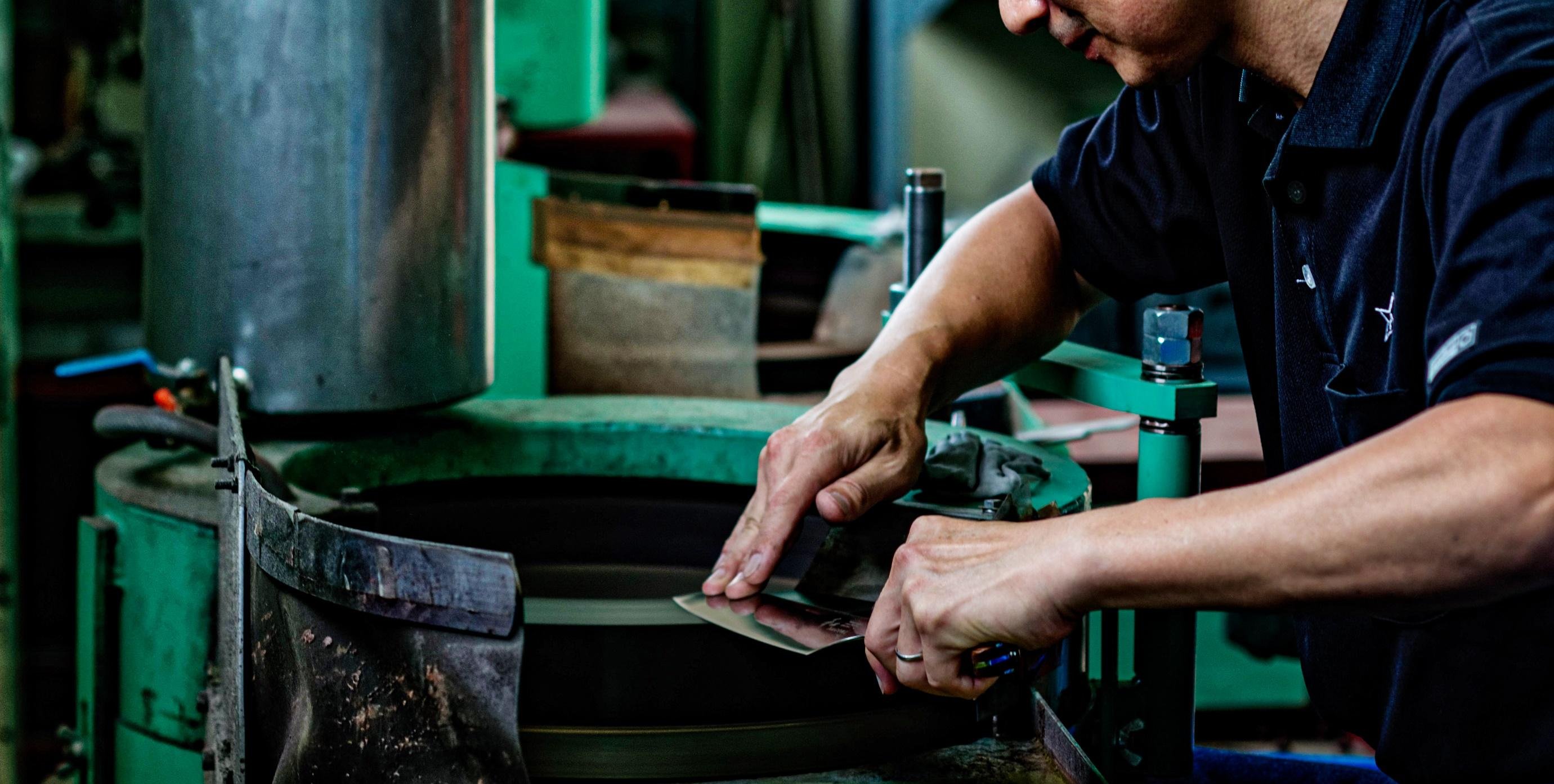
Visitors observe the delicate art of sharpening and finishing the blade edge. This station highlights the final stages of the seki knife making experience.

Quality Inspection Table

Final blades are checked for balance, sharpness, and alignment standards. This step concludes the educational journey of the seki knife making experience.

Historical Display Case

View legendary blades that defined the region's reputation for high-quality cutlery. These artifacts provide context for your seki knife making experience.

Head to head

Seki Knife Making Experience vs. Traditional Swordsmith Museum: Choosing Your Path

They complement each other; visitors who prefer active craftsmanship choose the seki knife making experience, while those interested in local heritage find the museum a more tranquil pursuit.

Feature Top pick Knife Workshop Swordsmith Museum
Activity Level
Observational viewing
Skill Requirement
None
Time Commitment
1–2 hours
Educational Focus
Historical craftsmanship
Hands-on Involvement
Museum exhibits only

Verdict: Those booking seki knife making experience tickets gain direct metalwork proficiency, whereas the museum offers a deeper look at the storied legacy of Japanese bladesmithing.

How your ticket works

Book your ticket in 3 steps

  1. 01

    Book online

    Choose your ticket, select your date, and reserve in under two minutes. Secure checkout handled by our verified partner.

  2. 02

    Receive your mobile voucher

    Instant confirmation by email, with a mobile voucher you can save offline. No printing, no queuing at a collection desk.

  3. 03

    Show & enter

    Arrive at the entrance, show your voucher on your phone, and walk in. Most tickets include priority or skip-the-line access.

Plan your visit

Everything you need to know before you go

Practical details for your visit straight from our verified partners — hours, access, rules, and how to get there.

Open today · 09:00–16:00
Opening Hours
09:00–16:00
Address
7-3 Hiragacho, Seki City, Gifu Prefecture, Japan
Facility Access
Consult staff for assistance
Best Arrival
09:00–12:00
Storage
Not available
Navigation
Available via official site
Mon
09:00–16:00
Tue
09:00–16:00
Wed
09:00–16:00
Thu
09:00–16:00
Fri
09:00–16:00
Sat
Closed
Sun
Closed
Main entrance

Entrance Lobby

7-3 Hiragacho, Seki City

Check in at the main reception desk.

Address
7-3 Hiragacho, Seki City, Gifu Prefecture, Japan
Storage
Not available
Navigation
Available via official site

How to get there

🚆
Public transport · 45 min · Varies by train line

Take the Nagaragawa Railway to Seki Station, then a short taxi ride.

🚗
Car · 60 min · Toll fees apply

Accessible via the Tokai-Hokuriku Expressway, Seki IC exit.

Dress code

Wear comfortable, closed-toe shoes suitable for a workshop environment. Avoid loose clothing that may interfere with tools during your seki knife making experience.

Bags & security

Large bags are discouraged due to limited space in the workshop area. Secure your belongings in designated areas if provided by staff.

Photography

Photography is permitted in designated zones, but refrain from taking images of proprietary processes or other guests during the seki knife making experience.

Accessibility

The facility maintains standard access, though some workshop stations may present challenges for visitors with mobility aids. Please contact the venue regarding the seki knife making experience before arrival.

Mobile phones

Mobile phones should be set to silent during the workshop to ensure focus on instructor guidance. Use devices only during designated breaks.

What to bring

  • Valid ID
  • Booking confirmation
  • Comfortable shoes
  • Hair ties for long hair
  • Water bottle (for breaks)

Not allowed

  • Flammable materials
  • Open flames
  • Sharp tools (unless provided)
  • Alcohol
  • Large luggage
  • Pets
  • Recording equipment
  • Dangerous chemicals
  • Food and drink

Families & strollers

Children must be supervised at all times due to the presence of sharp objects and high-temperature equipment. Age restrictions may apply to certain parts of the seki knife making experience.

Food & drink

Consumption of food and drinks is prohibited within the workshop area to maintain safety. Utilize local cafes outside the venue after your seki knife making experience.

Pets

Animals are not permitted inside the facility. Only certified service animals are allowed for the seki knife making experience.

Good to know

The seki knife making experience provides all necessary safety gear and tools for your session. Follow all instructions provided by the master bladesmith.

Meeting point

Where to find us

Entrance Lobby

7-3 Hiragacho, Seki City

Check in at the main reception desk.

Get directions
Around your visit

Everything else worth knowing

Best time to go, insider tips, nearby landmarks, and the cancellation fine print — flip through to skim what matters to you.

Best time to visit

How crowds, weather, and events shift across the year.

Summer

August offers warm weather but requires hydration during the workshop.

Autumn

Mild temperatures make the walk to the facility pleasant.

Spring

Comfortable climate for traveling through Gifu Prefecture.

Winter

Indoor workshop activities remain cozy despite cold temperatures outside.

Helpful tips for your visit

Small details that turn a good visit into a great one.

Book Early

Reserve your seki knife making experience in advance as sessions fill up quickly.

Morning Arrival

Start between 09:00–12:00 to complete the full process.

Ask Questions

Engage with the smiths to learn more about blade metallurgy.

Stay Hydrated

Bring water to drink during breaks outside the workshop.

Safety First

Listen closely to the master smith to ensure a safe seki knife making experience.

Nearby landmarks

Non-bookable sights within a short walk — free to visit, easy to pair.

Seki Traditional Sword Smith Museum

5 min walk

Exhibits historical blades and forging tools.

Kasuga Shrine

10 min walk

Historic site reflecting local traditions.

Sekicoro River

15 min walk

Scenic path for relaxing strolls.

Cancellation policy

Flexible, no hidden fees.

Cancellation policies depend on the specific booking selected. Please refer to your confirmation details for refund eligibility regarding your seki knife making experience.

Where to stay

Hotels & districts near the attraction

Hand-picked options within walking distance — pick a district for vibe, or a specific hotel for convenience.

Seki City Hotel

10 min drive
mid-range

Convenient access to regional transit.

Local Ryokan

15 min drive
boutique

Traditional lodging experience near the city center.

Nagoya District

60 min drive
luxury

Wide variety of high-end hotels.

About

The place, in context

Seki has been forging blades for roughly seven hundred years, and the reason is geological rather than romantic: the Nagara and Tsubo rivers supplied water for quenching, the surrounding hills supplied pine charcoal, and the local clay proved suitable for the coating that controls how a blade hardens. Swordsmiths arrived from Yamato province in the Kamakura period. Motoshige is traditionally named among the earliest to settle here in the 1330s. By the Muromachi era the town supported hundreds of smiths, and the Mino tradition — one of the five great schools of Japanese swordmaking, the Gokaden — took its character from Seki workshops. Mino blades were praised as practical rather than ornamental: tough, resistant to chipping, made for soldiers rather than collectors. The phrase orenu, magaranu, yoku kireru — does not break, does not bend, cuts well — attached itself to the town and never left. The Meiji-era sword ban of 1876 could have ended all of it. Instead the trade turned sideways. Smiths who had shaped katana began producing razors, scissors, pocket knives and kitchen cutlery, carrying the same metallurgical habits into domestic goods. That pivot explains why a modern seki knife making experience still opens with a lesson in folded steel: the gyuto and the santoku descend directly from the sword. Today Seki produces a substantial share of Japan's bladed goods and shares a sister-city relationship with Solingen, Germany, its European counterpart in cutlery. The knowledge survives in layers. Tamahagane, the high-carbon steel smelted from iron sand in a clay tatara furnace, remains the traditional starting point. Damascus billets — dozens of alternating layers hammered, folded and etched until the grain surfaces as a watery pattern — are the commercial signature visitors most often recognise. Differential hardening produces the hamon, the pale temper line that runs the length of a finished blade. Each of these steps is demonstrable in a single morning, which is why hands-on seki knife making experience tours have become the town's most legible introduction to itself. The workshops cluster around Hiragacho, where the free-entry museum floor sits alongside working benches. Bookable sessions on this page include Damascus billet work, tamahagane kitchen knife forging, the Mitsuboshi cutlery workshop, a master swordsmith's forging demonstration, and a day trip run out of Nagoya. Prices and durations are listed with each product; the museum itself charges 0 JPY. What distinguishes Seki from other Japanese craft towns is continuity of place. The forges did not relocate to an industrial park and then send representatives back for tourists. They stayed, roughly where the water and the charcoal were, and the anvils have simply kept ringing. Visitors booking a seki knife making experience tour are not watching a reconstruction — they are standing inside an unbroken working tradition that adapted, survived a national ban, and outlasted the weapon it was invented to make.

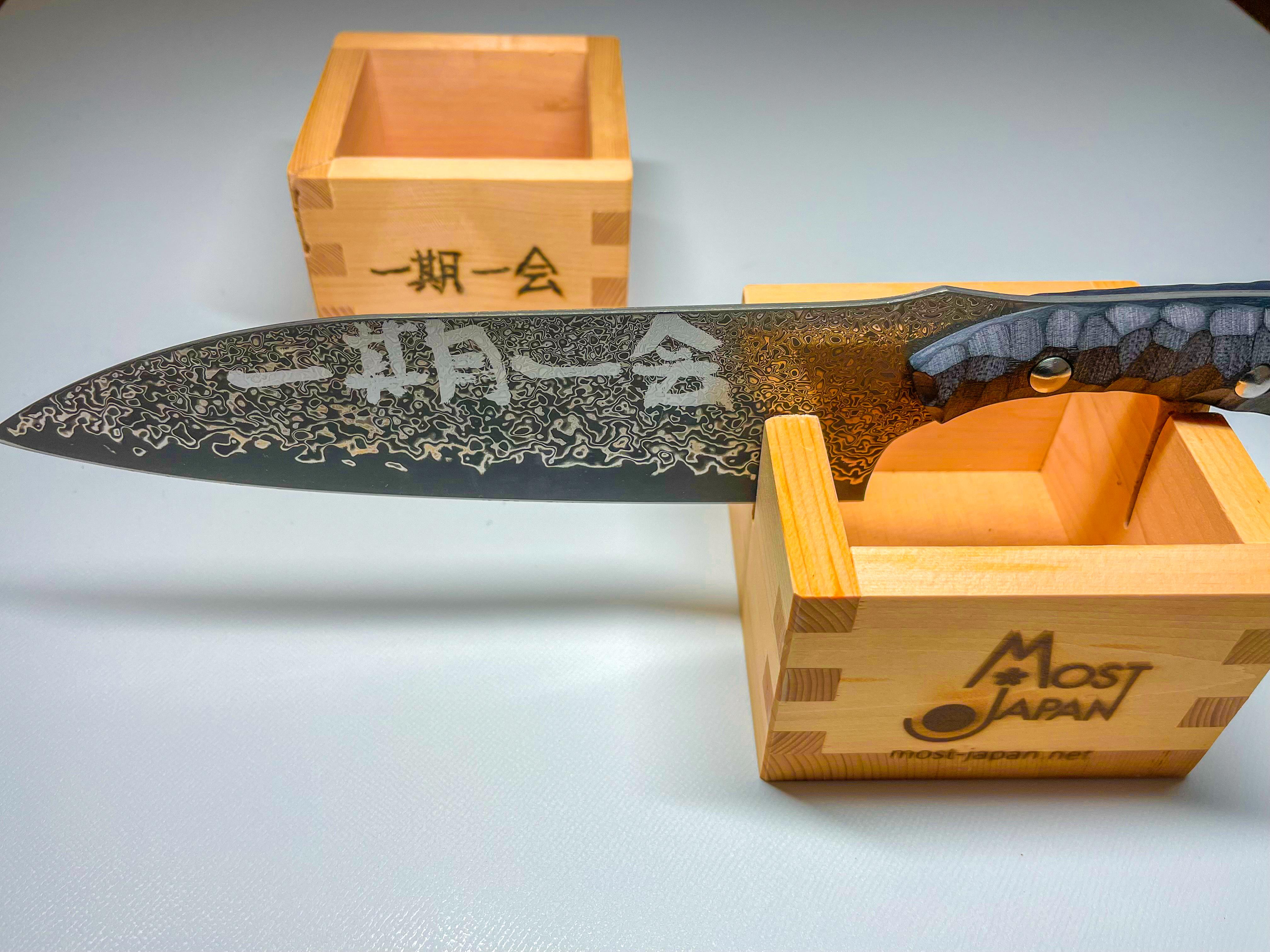
"Does not break, does not bend, cuts well — the phrase attached itself to the town and never left."
Your experience

What a tour day looks like

A step-by-step walkthrough of the visit — what you'll see, how long each stage takes, and the details that matter.

You arrive at 7-3 Hiragacho by 09:00, because the forge is cold and it takes time to bring it up. The museum floor costs nothing to enter, so you walk it first: display cases of Mino-school blades, a cutaway tatara furnace, a wall of scissors and razors that trace the Meiji pivot from swords to household steel. Then an apron, then the bench. A smith hands you a billet — Damascus or tamahagane, depending on which seki knife making experience you reserved — and shows you where to hold the tongs. The steel comes out of the charcoal orange, and you strike where he points. You feel the difference between a hit that moves metal and one that merely makes noise. Twenty minutes in, your forearm knows it. The billet lengthens, thins, starts to look like something with an edge. After the hammering comes the slower half. You grind the bevel against a wheel until sparks run in a single line. You move to the whetstone and learn the angle by having your wrist corrected. If your session includes etching, the folded layers surface under acid as a rippling grain no two blades share. You fit the handle last, tap it home, and the smith checks your work before signing off. The whole thing runs several hours — arrive between 09:00 and 12:00 to finish comfortably. You leave carrying a wrapped blade that did not exist that morning, made in the town that has been doing this since the 1330s.

Frequently asked

Frequently asked questions about seki knife making experience tours

What are the opening hours for the seki knife making experience?

The facility is open Monday through Friday from 09:00–16:00. It remains closed on Saturdays and Sundays. The seki knife making experience follows these operational hours.

Can I arrive at any time for my seki knife making experience?

It is recommended to arrive during the best arrival window of 09:00–12:00 to ensure enough time for your session. Morning starts are prioritized for the seki knife making experience.

Is there an entrance fee for the facility?

Entry to the museum is 0 JPY. Workshop fees for the seki knife making experience vary by course.

Are there age limits for the seki knife making experience?

Children must be accompanied by an adult, and age restrictions may apply to specific tools. Check your booking details for the seki knife making experience.

Can I bring a camera during the seki knife making experience?

Photography is allowed in certain areas of the seki knife making experience. Always ask staff before recording your activity.

Is the workshop accessible?

The facility is designed for public access, though specific workshop stations for the seki knife making experience might require assistance.

How do I reach the location for my seki knife making experience?

The location is at 7-3 Hiragacho, Seki City, Gifu Prefecture, Japan. Use local rail or car routes to attend your seki knife making experience.

Are there nearby attractions to combine with this visit?

You can visit the Seki Traditional Sword Smith Museum nearby. It is a short walk from the site of your seki knife making experience.

What should I do if I need to cancel my seki knife making experience?

Please refer to your booking confirmation for specific refund policies regarding your seki knife making experience.