G.Sakai
Renowned for integrating traditional Seki craftsmanship with modern outdoor knife design and high-grade stainless steel.
Examine the handle ergonomics to appreciate the fusion of function.

Seki has forged blades for roughly 800 years, and the city today holds one of the densest concentrations of cutlery makers on earth. Names like G. Sakai, Kai, Kanetsune, Kanetsugu and Spyderco's Japanese production all trace back to these workshops. This guide explains who makes what, and where a visitor can actually stand in front of the steel.
Quick answer
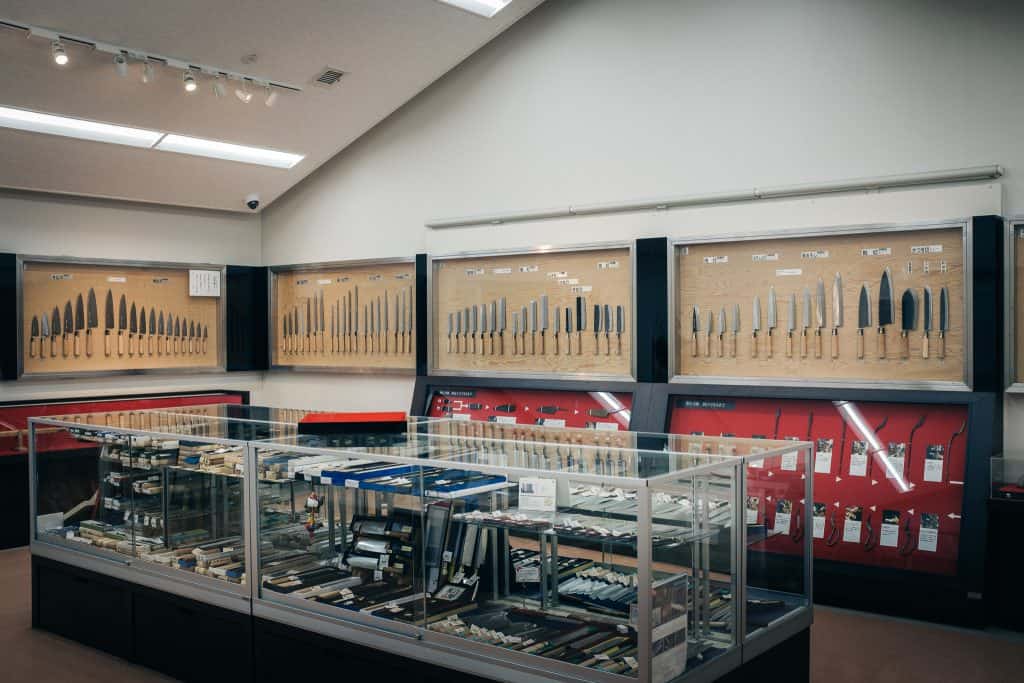
Seki is home to dozens of cutlery makers, and one of the most accessible for visitors is G. Sakai, whose Hiragacho showroom and museum charge 0 JPY for entry. The site opens weekdays only, 10:00–16:00, and is closed Saturday and Sunday. Most Seki manufacturers are working factories rather than tourist sites, so public access varies considerably by company.
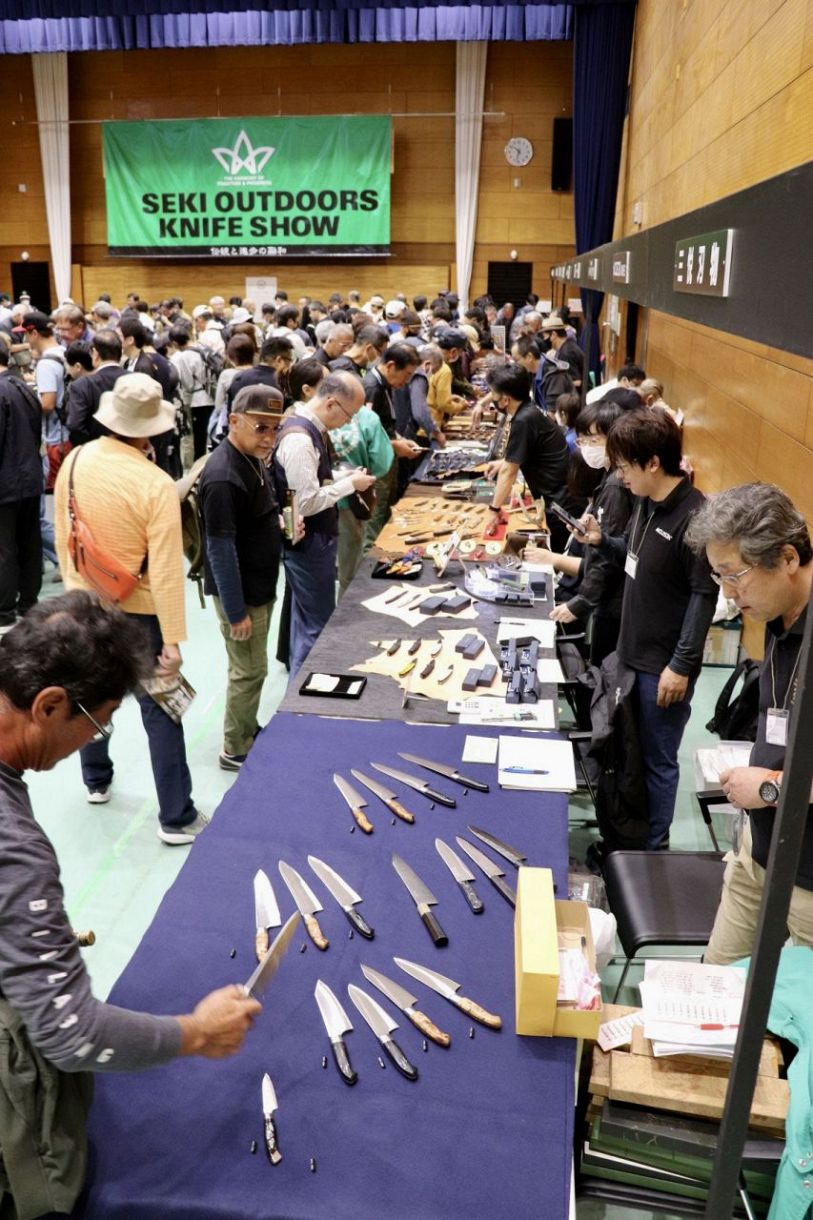
Roughly a third of all kitchen knives exported from Japan pass through a single inland city with no coastline, no castle town tourism circuit, and a population under 90,000. Seki, in Gifu Prefecture, became a blade centre in the Kamakura period because three rivers, iron sand and good clay happened to meet in one valley. Swordsmiths settled. When the Meiji government banned sword-wearing in 1876, the smiths pivoted to razors, pocket knives and kitchen steel rather than disappear — which is why Seki knife brands today read like a directory of both traditional forges and modern precision factories. The landscape confuses first-time visitors because the names operate at different scales. Kai Group is a global manufacturer with industrial output and the Shun line familiar to Western kitchens. Kanetsugu and Kanetsune carry smith lineages in their names. G. Sakai, founded in Hiragacho, built its reputation on folding and outdoor knives and supplies blades under contract for overseas labels. Alongside them sit one-man workshops that still hand-forge in the old idiom. Understanding this hierarchy matters more than memorising logos: a Seki knife maker guide is useful mainly for telling you what kind of object you are holding — a forged laminate, a stamped stainless blade, a powder-steel folder — and what it should cost. Most of these companies are factories first. They run production schedules, not visitor programmes, and turning up unannounced at a plant gate achieves nothing. The practical exception is the handful of makers that maintain public showrooms and small museums, where finished ranges sit in cases beside the tooling that produced them. G. Sakai's Hiragacho site is the clearest example, pairing a knife collection with a shop floor view. Visitors comparing Japanese cutlery brands should treat these showrooms as the reference library — handle the steel, note the grinds, then decide what to pursue. Timing shapes the whole trip. The showrooms follow office rhythms rather than tourist ones, meaning weekday-only access and a mid-afternoon close that catches out anyone arriving from Nagoya after lunch. The city's own cutlery festival, held twice yearly, temporarily converts the main street into an open market, but outside those dates the experience is quiet and deliberate. Anyone researching Seki knife brands ahead of a visit should confirm hours directly, then build the day around a single anchor site rather than attempting a factory circuit that does not exist in practice. Details on opening times, entry and travel appear in the sections below.
“When the sword ban came in 1876, Seki's smiths turned to razors and kitchen steel — the city adapted rather than vanished.”
Seki City maintains a legacy of sword-making that informs the precision of its modern knife manufacturing. The local showroom highlights brands that carry forward centuries of metallurgical expertise.
Renowned for integrating traditional Seki craftsmanship with modern outdoor knife design and high-grade stainless steel.
Examine the handle ergonomics to appreciate the fusion of function.
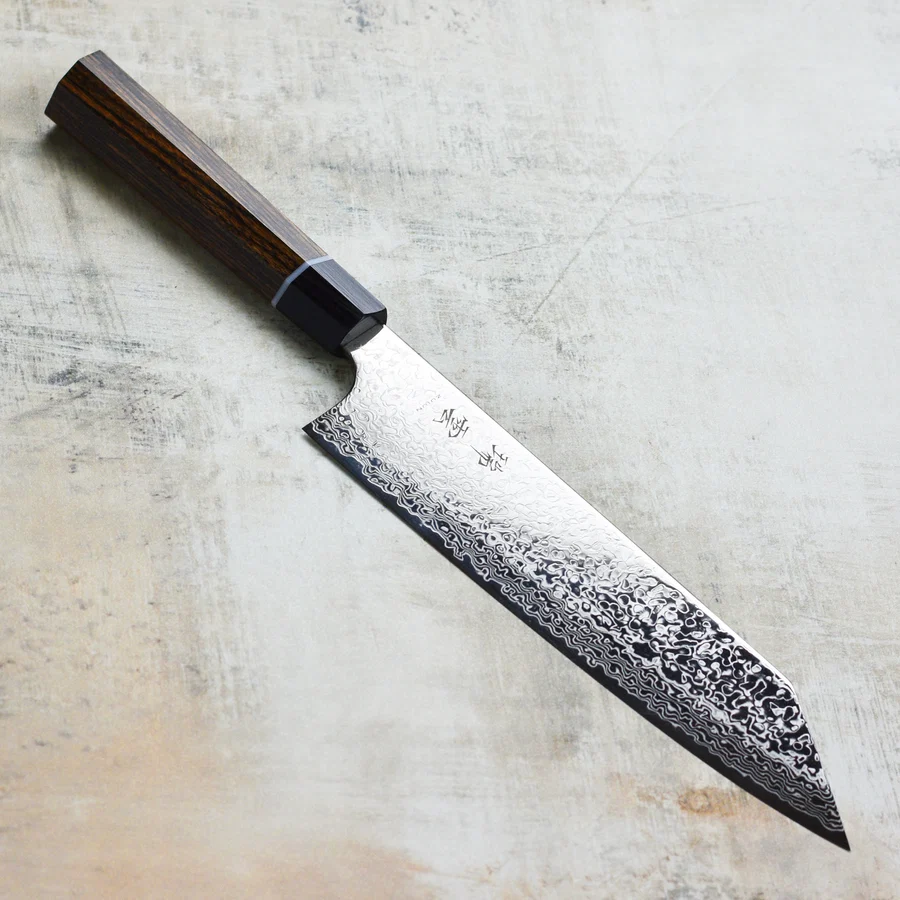
A historic brand known for maintaining the traditional techniques of Japanese sword making in their kitchen knives.
Look for the blade lamination patterns indicative of fold-forging.
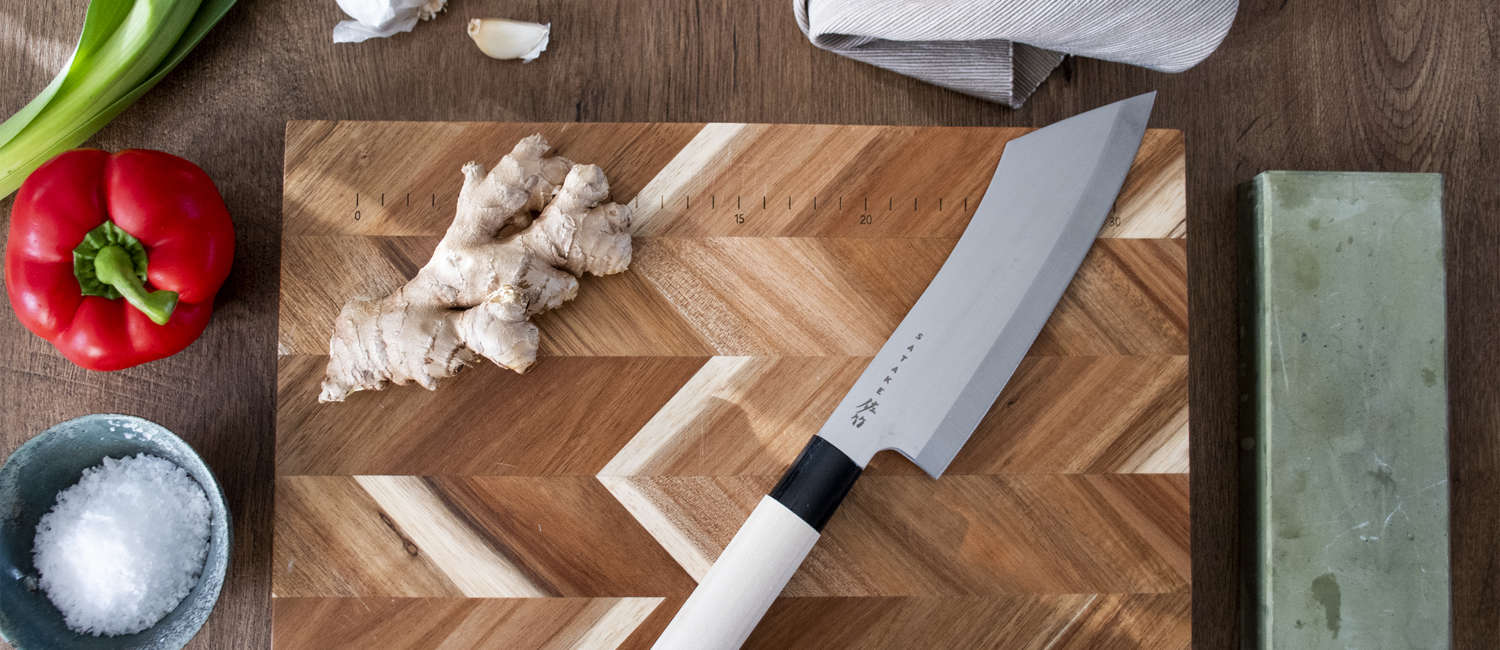
Specializes in durable, high-quality kitchen tools that represent the core of Seki's industrial knife output.
Observe the edge geometry which reflects standard Seki sharpening precision.
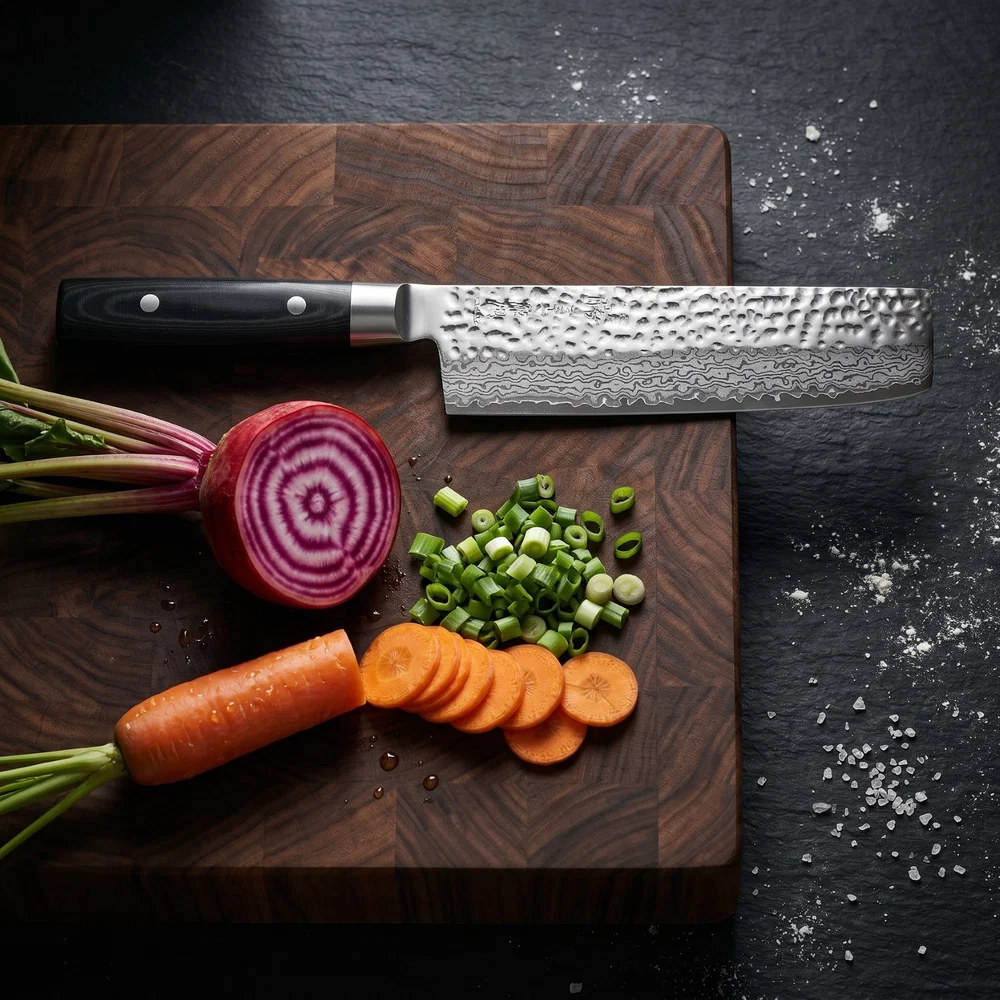
Combines advanced materials with traditional craftsmanship to produce high-performance blades for professional chefs.
View the Damascus steel layering for depth and pattern detail.
The showroom for Seki knife brands operates on a standard weekday schedule. Visitors are welcome to explore the collection Monday through Friday.
The facility is located at 7-3 Hiragacho, Seki City, Gifu Prefecture. Travelers typically reach the area via the Nagaragawa Railway or by car from nearby regional hubs.
Nagaragawa Railway to Seki Station, followed by a taxi
Tōkai-Hokuriku Expressway, exit at Seki IC
Direct from Gifu Station (JR or Meitetsu)
For the most efficient transit, utilize the taxi service from Seki Station to reach 7-3 Hiragacho directly, as public bus connections in the immediate industrial area can be infrequent.
The best arrival window is 10:00–15:00. Arriving mid-morning allows sufficient time to browse the knife collection and showroom.
—
Visiting during the early hours of the work week ensures the most focused time to view knife displays without competing for space.
Cooler air, 15°C to 20°C
Autumn offers comfortable walking temperatures, ideal for exploring the surrounding Seki area after your visit.
Mild conditions, 12°C to 22°C
Spring provides pleasant weather for travel, though the showroom remains manageable during standard weekday operating hours.
Verdict: The best time to visit is Tuesday to Thursday between 10:00 and 15:00 during the months of April or October.
Everything you need to know about seki knife brands
Seki is home to many world-renowned seki knife brands that carry on the legacy of traditional Japanese swordsmithing. These companies utilize advanced steel forging techniques to create high-quality kitchen tools, scissors, and outdoor cutlery.
Yes, the region hosts numerous expert manufacturers, often referred to as Gifu cutlery makers or traditional bladesmiths. Many of these workshops and showrooms welcome visitors interested in the history of samurai swords and modern culinary steel.
Entrance to the museum is 0 JPY, meaning it is free for all visitors to explore the collection. This allows you to browse the exhibits and learn about the evolution of local steel craftsmanship without an entry fee.
The showroom facilities are open Monday through Friday from 10:00–16:00. They are closed on Saturdays and Sundays, so it is best to coordinate your visit during the week.
Visitors can discover the history of katana forging and modern metalwork through the extensive exhibits provided by local artisans. These displays highlight the rigorous tempering processes that distinguish premium Japanese blades from mass-produced alternatives.
The best arrival window is 10:00–15:00 to ensure you have sufficient time to browse the knife collection and showroom. Arriving during these hours allows for a relaxed pace when observing the diverse range of cutlery available in the region.